

|
Getting your Trinity Audio player ready...
|
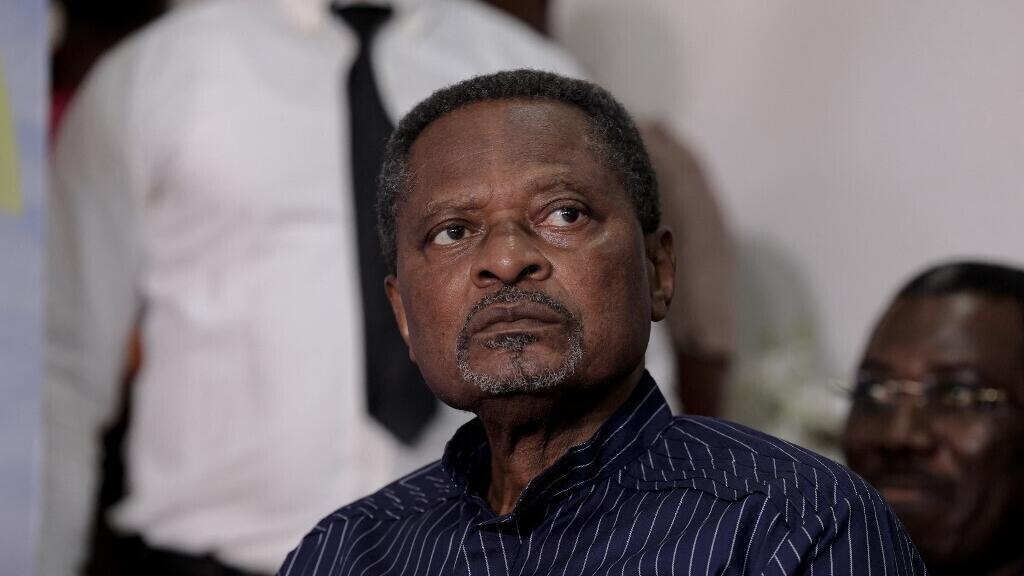
Cameroon is reeling after the sudden death of 74-year-old opposition figure Anicet Ekane, who died in state custody five weeks after his arrest. His family says they were given no explanation. As his lawyer told the BBC, Ekane’s wife was simply presented with his body — a moment that has intensified national outrage.
Ekane, leader of the African Movement for New Independence and Democracy (Manidem), had backed opposition candidate Issa Tchiroma Bakary in October’s presidential election — a race officially won by 92-year-old Paul Biya, Africa’s longest-serving head of state. Tchiroma Bakary claims he was the true winner but has since fled to The Gambia.
The government denies accusations that Ekane was deprived of medication, saying he suffered from “various chronic pathologies” and had been receiving care at a military medical facility since his arrest on 24 October. Authorities have not provided a cause of death.
His lawyers say Ekane was accused of hostility against the state, incitement to revolt and calls for insurrection — but was never brought before a judge or formally charged, calling the detention “illegal.” Rumors of his death had circulated for weeks, prompting supporters to demand proof he was “dead or alive.”
Shockwaves spread quickly across the country. Supporters gathered at Manidem headquarters in Douala as anger grew online. The party says its premises are now surrounded by security forces.
Ekane had initially endorsed opposition leader Maurice Kamto, who spent months in detention after contesting the 2018 election. Kamto’s candidacy was barred this year by Cameroon’s electoral body and Constitutional Council. Ekane then joined a coalition that selected Tchiroma Bakary as its presidential contender.
Authorities say an investigation has been launched into Ekane’s death, but many Cameroonians doubt its independence.
What this means for Africa
Ekane’s death highlights a broader truth about African politics: without institutional reforms, democratic transitions remain fragile. When opposition figures die in state custody without transparency, trust in democratic processes collapses. Cameroon’s crisis is a warning to the region as Africa’s youth increasingly demand accountability, fairness and political renewal.
For a continent with one of the world’s youngest populations, the message is clear — the next chapter of African democracy depends on systems that protect dissent, not punish it.