
From Pilot to Policy: Tanzania Tests a New Path to Assistive Technology Access
By Maxine Ansah

|
Getting your Trinity Audio player ready...
|
In rural Tanzania, the lack of trained specialists has long limited access to assistive technology for people living with disabilities and age-related impairments. A pilot project in the Morogoro region is now offering evidence that community-level solutions, backed by structured learning and mentorship, can begin to close that gap.
Dr Msafiri Kabulwa’s professional journey reflects the adaptive pathways common in many low- and middle-income countries. As a student, he aspired to become an electrical engineer, but the absence of advanced mathematics teaching at his secondary school redirected him towards science subjects and later teacher training. He was eventually admitted to medical school, graduating as a dental surgeon, and later became a tutor for dental therapists, combining health practice with teaching.
That blend of skills became central to his work at the Ministry of Health. As Coordinator for Elderly Care and Persons with Disabilities in the Directorate of Curative Services, Dr Kabulwa confronted a persistent system-wide problem. Occupational therapists and physiotherapists remain in short supply and are largely concentrated in urban centres, leaving rural communities without consistent access to assistive services.
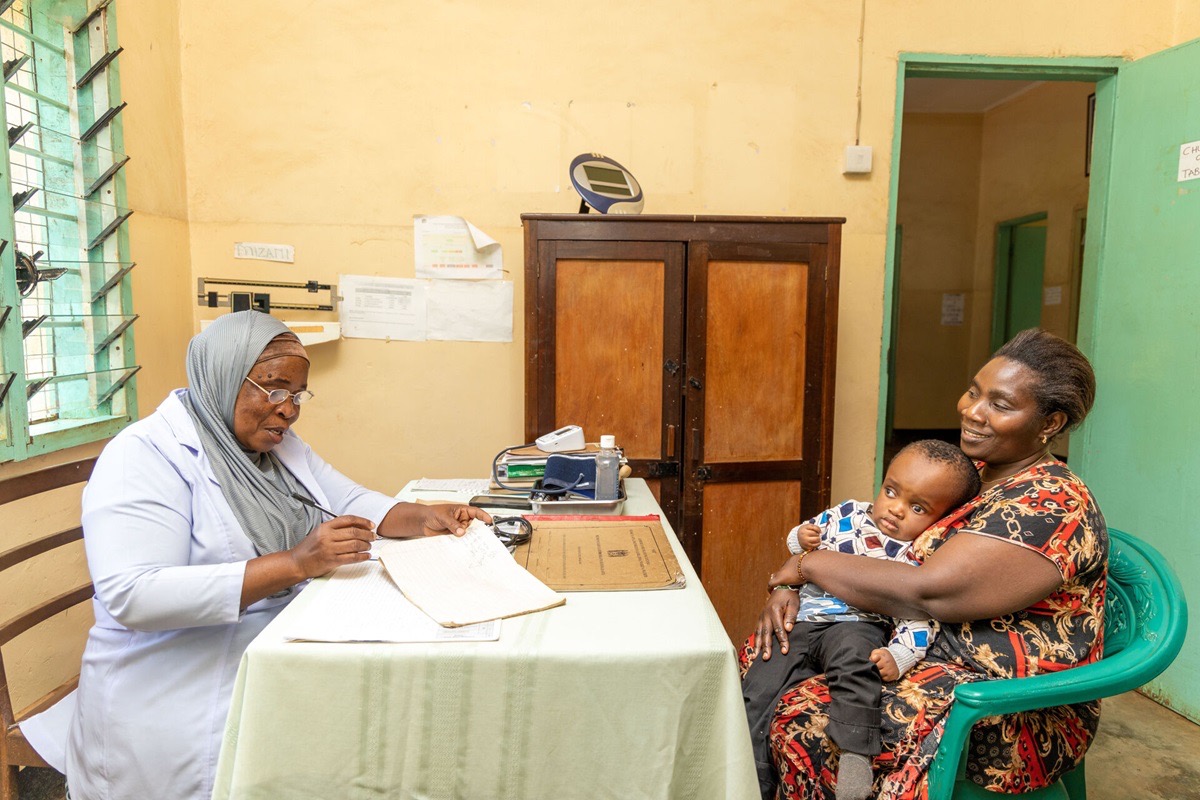
He argued that the solution could not rely on specialists alone. Nurses, clinical officers and social workers are often the first and only point of contact for people in need. Equipping them with structured skills in assistive technology became the focus of a new collaboration launched in 2022 between the Ministry of Health, HelpAge Tanzania and the World Health Organization.
The project introduced Learning on TAP, a WHO-developed blended learning resource designed to strengthen assistive technology services within primary health care. The training combined online modules, in-person sessions, mentored practice and independent application, enabling health workers to learn while remaining in their communities.
For many participants, it was their first experience of online learning. The approach proved practical rather than burdensome. With most health workers already using smartphones, the programme allowed flexible learning without heavy resource demands. Crucially, mentors and peer organisers continued to support learners after the initial training period, reinforcing skills and confidence.
The need for such interventions is substantial. In the WHO Africa Region, more than 200 million people currently require at least one assistive product, including hearing aids, walking sticks or near-vision spectacles. That number is projected to double by 2050. Yet only an estimated 15 to 25 per cent of those in need have access to these products.
In Morogoro, the results were tangible. A total of 179 primary and community-level health personnel were trained to fulfil a role in assistive technology. Nearly 15,000 assistive products were provided across 31 health facilities. After the training, there was a 45 per cent increase in health centre staff actively involved in assistive technology provision.
Beyond service delivery, the project helped clarify which assistive products were needed and at which levels of the health system. This information laid the groundwork for improved supply chain management and reinforced the case for integrating assistive products into essential health product lists for primary health care.
Learning on TAP has since been piloted in other countries, including Fiji, India, Papua New Guinea, Romania, Saudi Arabia, Tajikistan and Ukraine. These experiences demonstrate how the model can be adapted to diverse contexts while remaining anchored in WHO standards and guidance.
For Dr Kabulwa, the implications extend beyond Morogoro. The evidence generated from just two districts has strengthened the case for a national approach to assistive technology provision in Tanzania. He maintains that sustainable training models already exist and that collaboration with WHO can help countries identify solutions that fit their health systems.
Across Africa, where health systems are still evolving and populations are ageing, Tanzania’s experience highlights the value of investing in people as much as products. By empowering frontline health workers, young health systems can expand access, reduce inequities and bring essential services closer to communities that have waited too long to be seen and supported.
Tanzania assistive technology, Learning on TAP, WHO Academy Africa, assistive products Africa, disability inclusion Tanzania, primary health care Africa, community health workers Tanzania, WHO assistive technology, Morogoro region health, elderly care Tanzania, persons with disabilities Africa, health workforce training Africa, digital health learning WHO, assistive devices access Africa, rural health services Tanzania, Ministry of Health Tanzania, HelpAge Tanzania, WHO Africa Region, disability services Africa, assistive technology policy Africa, health system strengthening Tanzania, inclusive health care Africa, ageing population Africa, rehabilitation services Africa, assistive technology training, blended learning health Africa, community based health care Tanzania, essential health products Africa, referral pathways health Africa, disability and health Africa, WHO standards assistive technology, health equity Africa, rural disability access, assistive technology scale up, primary care innovation Africa, digital learning health workers, health workforce capacity Africa, disability policy Tanzania, assistive technology supply chains, ageing and disability Africa, inclusive development Tanzania, community rehabilitation Africa, health access rural Tanzania, WHO health training platforms, assistive technology needs Africa, disability and ageing policy, Africa health innovation, primary health systems Africa, assistive technology provision, community health training WHO, disability inclusion health systems, health policy Africa, assistive devices rural Africa, Tanzania health reforms, WHO global health learning, assistive technology evidence, health services closer to home Africa, disability support Africa, rehabilitation and assistive care, Africa health workforce gaps, inclusive primary health care, WHO Learning on TAP Tanzania, assistive technology scale Africa, health access equity Africa, community level health innovation, disability and assistive care Africa