
Carnegie Endowment for International Peace: A Century of Ideas Shaping Global Diplomacy
By Maxine Ansah

|
Getting your Trinity Audio player ready...
|
The Carnegie Endowment for International Peace stands as one of the most enduring institutions in global policy and diplomacy. For more than a century, it has positioned itself at the intersection of research, dialogue, and action, producing independent analysis and strategic ideas designed to address the world’s most complex challenges while advancing international peace.
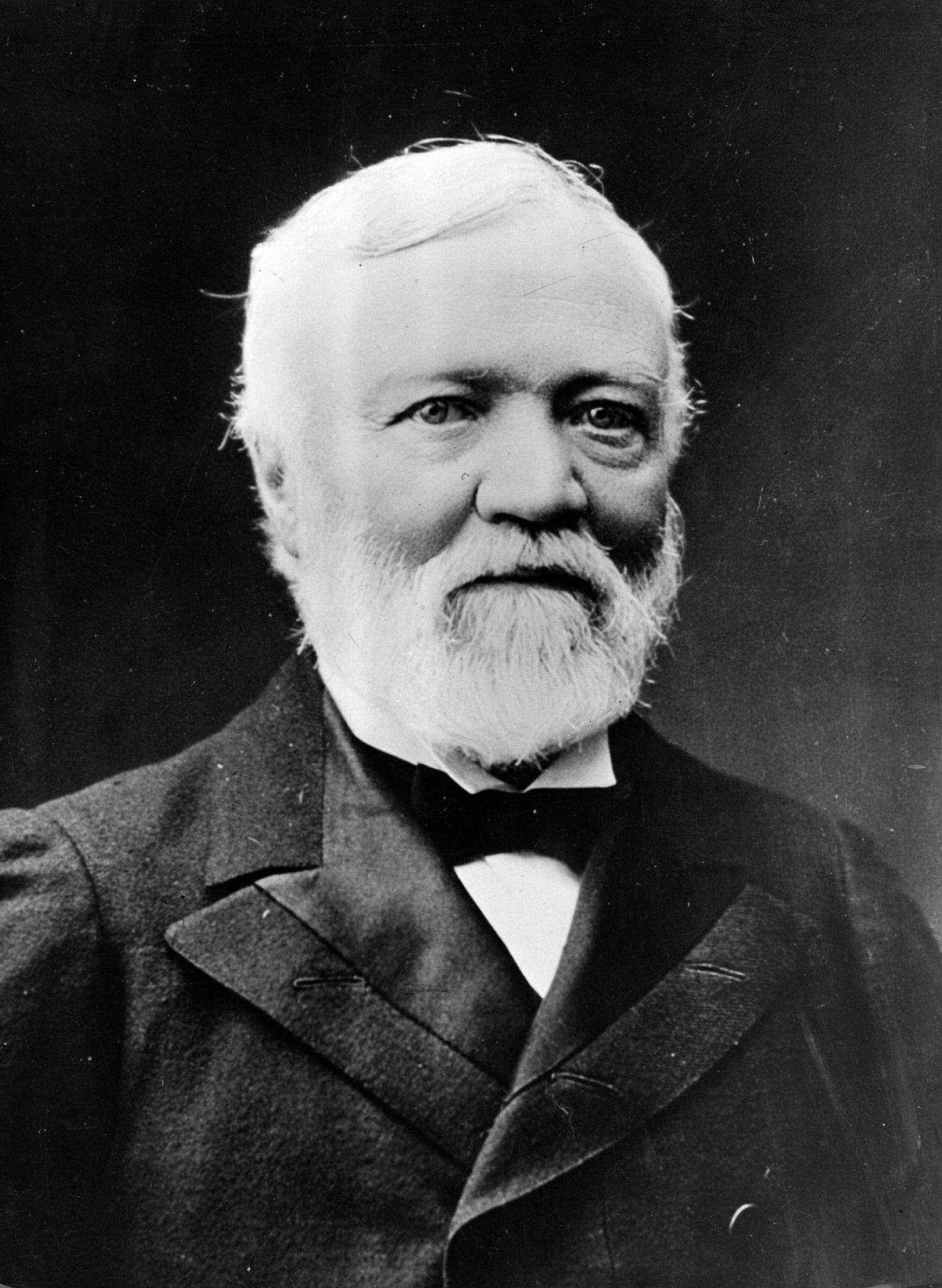
Founded in 1910 by Andrew Carnegie, the Endowment emerged from a bold vision. Carnegie committed $10 million to establish an institution dedicated to promoting international cooperation and, ultimately, the abolition of war. His warning about the fragility of global peace proved prescient, arriving just four years before the outbreak of the World War I. That founding ambition continues to define the institution’s work today.
From Early Influence to Global Policy Architecture
The Carnegie Endowment has played a direct role in shaping major moments in international governance. In 1945, its then president James T. Shotwell contributed to the drafting of the United Nations Charter, successfully advocating for the inclusion of a permanent human rights body. This intervention helped lay the groundwork for what would become the global human rights framework.
By the 1970s, the institution had shifted significant attention to nuclear risk reduction, promoting negotiation-based approaches to limit the spread of nuclear weapons. Over time, it established itself as a leading authority on nonproliferation, influencing both bilateral and multilateral policy discussions.
Its engagement continued into the 21st century. Following the September 11 attacks, Carnegie contributed to policy debates on global security and counterterrorism. Ahead of the Iraq War, it convened experts to develop proposals for weapons inspections, some of which were reflected in United Nations Security Council Resolution 1441.
A Global Think Tank with Expanding Reach
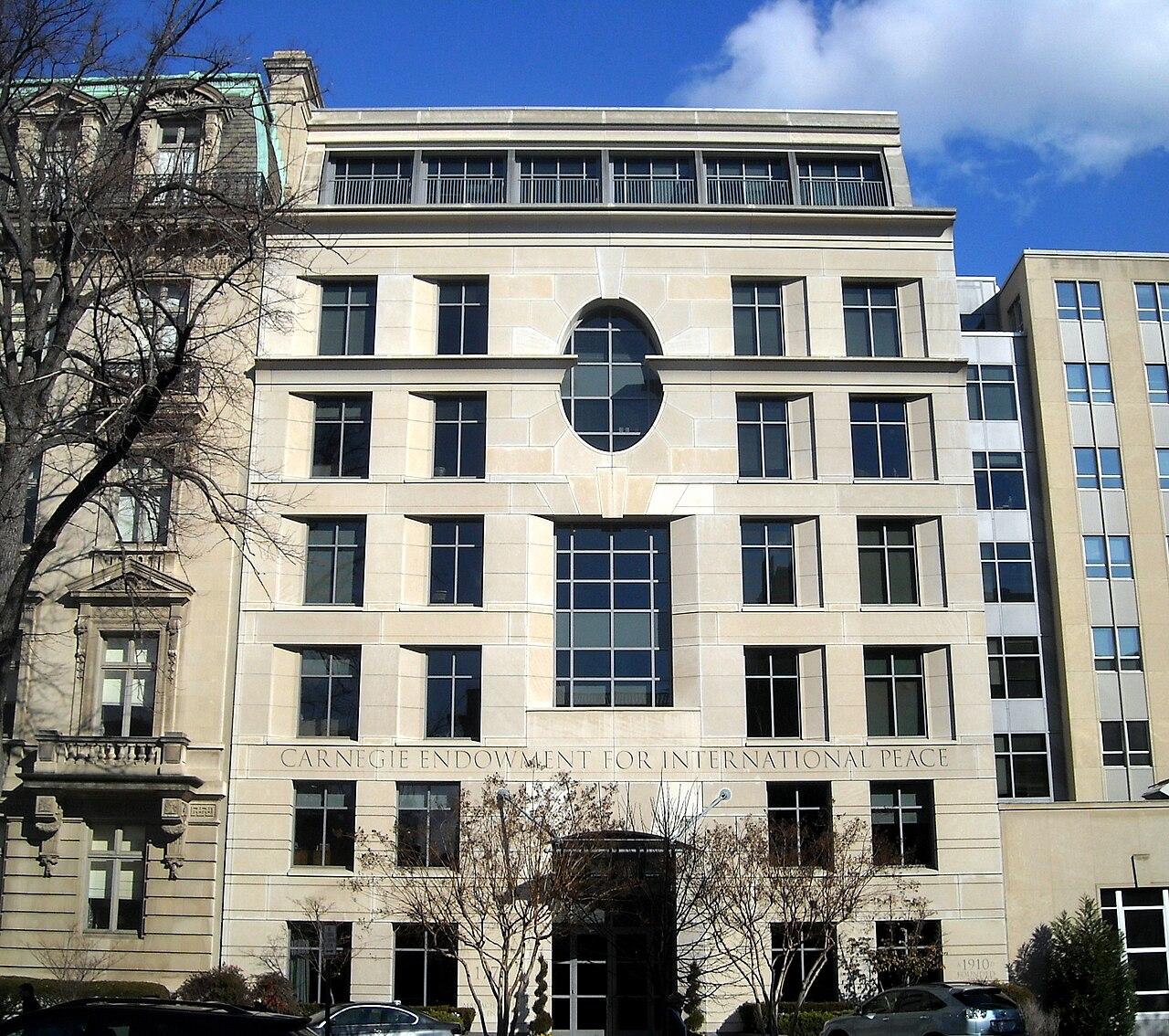
Today, Carnegie operates as a truly international institution, with offices in Washington, DC and California, alongside global centres across Asia, Beirut, Berlin, Brussels, and New Delhi. Its network of over 200 experts allows it to analyse geopolitical shifts, economic trends, and security risks from multiple regional perspectives.
Through strategic dialogues and back-channel diplomacy, the Endowment facilitates engagement between actors who may otherwise remain disconnected. This convening power has become a defining feature of its work, particularly in navigating complex and often contentious global issues.
Ideas that Shape Policy
In 2018, Carnegie launched a multi-year research initiative focused on aligning foreign policy with domestic economic realities. The bipartisan task force examined communities across the United States and produced findings that later informed aspects of Joe Biden’s foreign policy approach. This reflects a broader institutional philosophy: policy must be both globally aware and locally grounded.
Carnegie’s credibility is further reinforced by the calibre of individuals associated with it. Its Board of Trustees has included figures such as Dwight Eisenhower, Ngozi Okonjo-Iweala, and Robert Zoellick, alongside Nobel Peace Prize laureates and senior policymakers. Scholars from the Endowment have served across multiple administrations, underscoring its role as a bridge between research and governance.
Investing in the Next Generation
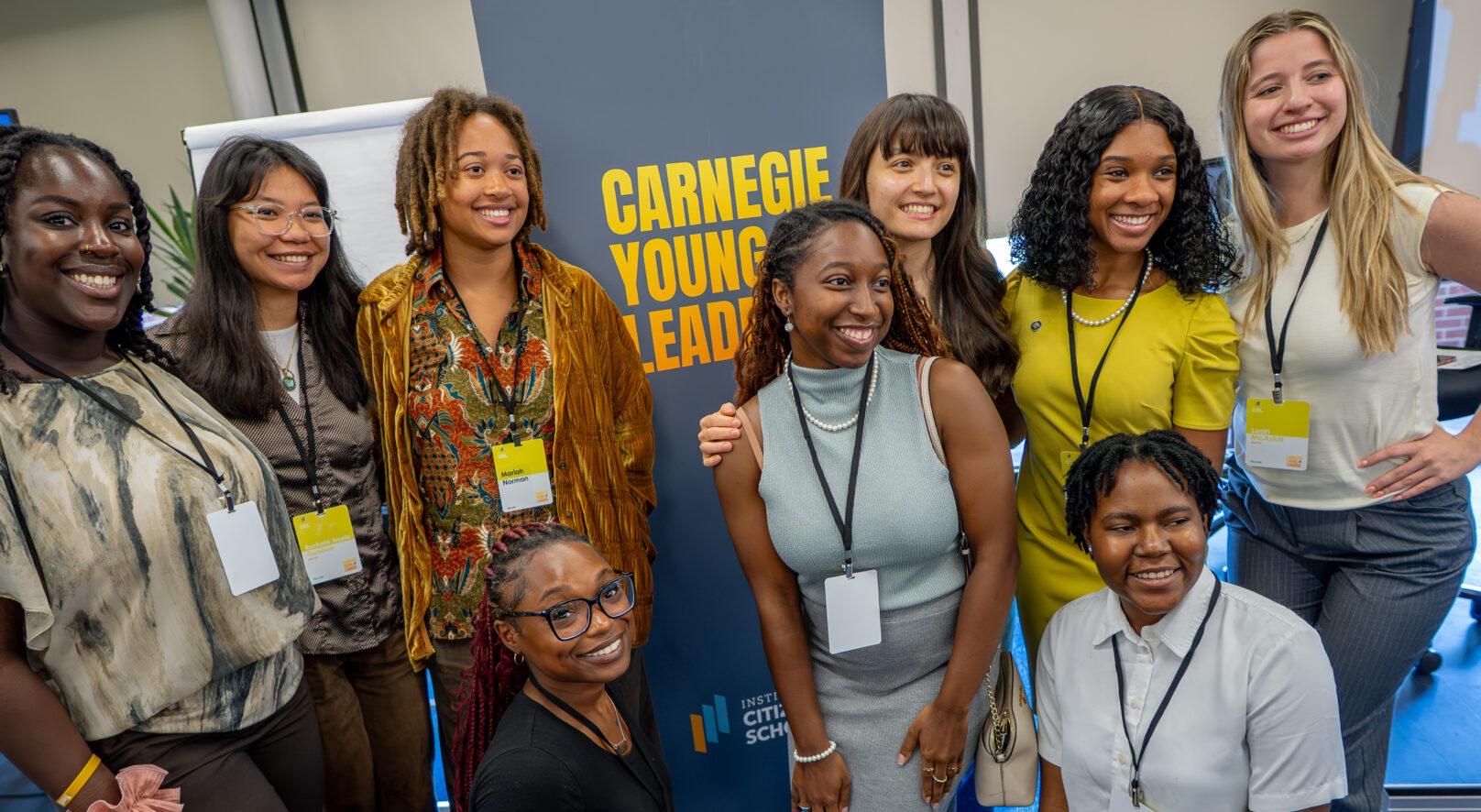
Beyond policy influence, Carnegie remains committed to developing future leaders. Through initiatives such as the Junior Fellows Programme and the Young Ambassadors Programme, it trains emerging scholar-practitioners equipped to navigate the complexities of modern diplomacy and global governance.
This emphasis on mentorship ensures continuity in its mission, positioning new generations to engage meaningfully with evolving global challenges, from technological disruption to shifting geopolitical alignments.
A Legacy Still in Motion
More than a century after its founding, the Carnegie Endowment continues to embody principles of independence, intellectual rigour, and international cooperation. Its work reflects a consistent belief that ideas, when grounded in research and dialogue, can shape policy and influence the direction of global affairs.
As geopolitical tensions, economic uncertainty, and technological transformation redefine the international landscape, institutions like Carnegie remain critical. They provide the analytical depth and diplomatic space needed to navigate uncertainty and build pathways towards cooperation.
The enduring relevance of the Carnegie Endowment lies not only in its history, but in its continued ability to adapt, convene, and contribute meaningfully to a world still searching for stability, equity, and peace.
Carnegie Endowment, international peace foundation, global think tank, Andrew Carnegie, diplomacy research, global policy analysis, international cooperation, peacebuilding organisations, foreign policy research, global governance, nuclear nonproliferation, United Nations history, policy institutions, global security analysis, think tanks Africa relevance, diplomacy institutions, international relations research, policy experts global, research and diplomacy, Carnegie global centres, Washington think tanks, international policy leadership, peace and security research, global affairs analysis, Carnegie fellows programme, youth diplomacy training, international development research, governance institutions, multilateral diplomacy, policy innovation global, global security threats, economic policy research, foreign policy frameworks, international think tanks, strategic dialogue institutions, back channel diplomacy, Africa global policy engagement, global institutions influence, diplomacy training programmes, policy advisory organisations, Carnegie history, UN charter influence, human rights institutions, nuclear risk reduction, terrorism policy research, Iraq war policy debates, global leadership training, international cooperation frameworks, research driven policy, global decision making, diplomacy and research, Carnegie scholars, policy development institutions, Africa policy space, international peace efforts, governance and diplomacy, research institutions global, policy think tanks impact, global economic policy, strategic policy ideas, international relations institutions, leadership in diplomacy, global policy networks, peace and cooperation research, Carnegie programmes, policy and governance, Africa and global governance, international affairs research, diplomacy experts network, global research institutions, foreign policy analysis, multilateral engagement, policy and security, global development research, think tank influence, governance and peacebuilding, Carnegie experts, policy leadership development, international security policy, diplomacy collaboration, global affairs institutions, research for policy impact, strategic global dialogue, policy institutions worldwide, peacebuilding research, governance innovation, international relations think tank, Carnegie diplomacy impact, policy experts training, global strategy research, international cooperation think tank