
Abdulsamad Rabiu nears $20 billion milestone as BUA Foods drives historic wealth surge

|
Getting your Trinity Audio player ready...
|
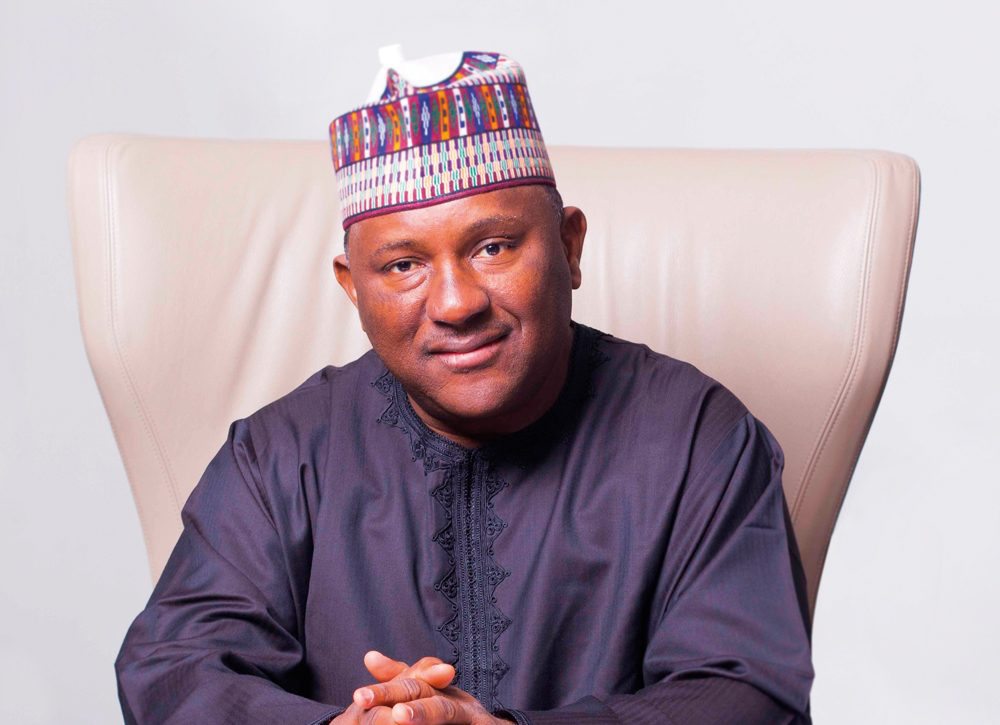
Nigeria’s second-richest man, Abdulsamad Rabiu, is edging closer to a historic financial milestone, with a net worth of $19.7 billion, according to the Bloomberg Billionaires Index. The latest valuation places him just $300 million short of the $20 billion mark, a level only Aliko Dangote has reached in Africa.
Rabiu’s fortune has expanded rapidly in 2026, rising by $9.53 billion since the start of the year. The scale and speed of that growth have made his wealth trajectory one of the most closely watched in global business circles.
A year of aggressive gains
The most recent increase alone added $606 million to Rabiu’s net worth, reinforcing a pattern of steady upward movement. Earlier in March, his wealth jumped by $4.47 billion, pushing his fortune from $10.7 billion to $14.6 billion and elevating his global ranking significantly.
By early May, he had overtaken Johann Rupert to become Africa’s second-richest individual, with a then net worth of $19 billion. His year-to-date gains at that point already stood at $8.88 billion, the highest among African billionaires in 2026.
BUA Foods driving the momentum
The rapid expansion of Rabiu’s wealth is closely tied to the performance of his flagship company, BUA Foods. The company has reported strong financial results, reflecting rising demand and operational efficiency.
Profit increased by 14 percent, while margins surged by 39 percent and earnings per share rose by 14 percent. Full-year 2025 results showed revenue reaching ₦1.77 trillion, a 16 percent increase. Dividend per share climbed sharply by 115 percent to ₦28, signaling strong returns to shareholders.
These figures highlight the strength of Nigeria’s consumer goods and industrial sectors, even amid broader economic pressures.
Dangote remains firmly ahead
Despite Rabiu’s rapid rise, Aliko Dangote continues to lead Africa’s wealth rankings with a net worth of $36.7 billion. His position underscores Nigeria’s dominance at the top of the continent’s billionaire hierarchy.
Still, Rabiu’s pace suggests the gap is narrowing faster than many expected, especially as industrial and manufacturing sectors continue to expand.
More than a personal milestone
Rabiu’s approach toward the $20 billion threshold reflects more than individual success. It signals the growing scale of African industrial capital and the increasing global relevance of companies rooted in the continent’s domestic markets.
His rise has been driven not by speculative tech valuations but by manufacturing, food production, and real-sector growth. That distinction matters in a global economy where tangible production is regaining strategic importance.
A continent building its own giants
Africa’s economic story is still unfolding, and wealth creation at this scale remains relatively new. Many of the continent’s largest fortunes are being built within a few decades of independence, in environments that are still developing institutional depth and infrastructure.
As industrial players expand and local companies scale across borders, the emergence of billionaires like Rabiu reflects a broader shift. Africa is not just participating in global markets but is increasingly shaping its own economic architecture.
The path forward will not be without challenges, from currency pressures to infrastructure gaps, but the trajectory is clear. A new generation of African industrialists is building long-term value, and in doing so, redefining what global economic influence from the continent looks like.