
Senegal Elects Ousmane Sonko as National Assembly President Amid Political Tensions

|
Getting your Trinity Audio player ready...
|
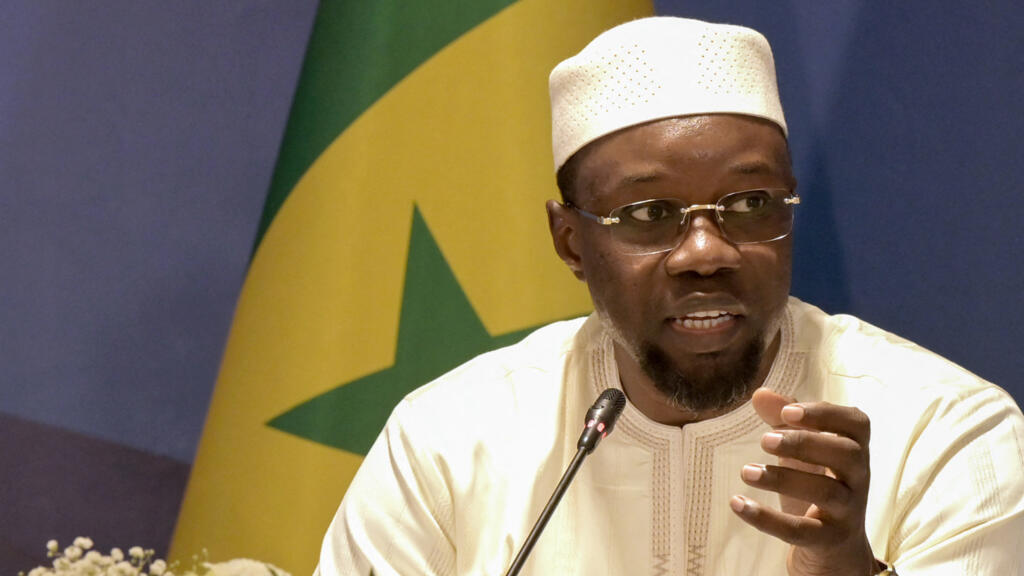
Senegal has elected Ousmane Sonko as President of the National Assembly, marking a rapid political comeback just days after his dismissal as prime minister.
The vote, dominated by his party, saw Sonko secure 132 votes with no opposition votes cast, reinforcing his continued grip on Senegal’s political structure. His election followed the resignation of El Malick Ndiaye, clearing the path for his return to legislative power.
Opposition Boycott and Legal Concerns
The vote was boycotted by opposition lawmakers, who described Sonko’s return to parliament as illegal and labeled the move an institutional power grab.
Opposition leader Aissata Tall Sall criticized the process, arguing that Sonko should have followed constitutional procedures before reclaiming a parliamentary seat.
A Shift in Power Dynamics
President Bassirou Diomaye Faye now faces a more complex political landscape after dismissing Sonko and appointing a new prime minister.
Despite the shift in the executive branch, Sonko’s leadership in parliament ensures he remains central to national decision-making.
Strategic Repositioning Rather Than Setback
Rather than signaling decline, Sonko’s move appears strategic. As head of parliament, he retains strong influence over legislation and national priorities.
With his party controlling 130 of 165 seats, his authority remains firmly intact.
A Country Navigating Political Tension
Senegal is entering a period of heightened political tension, driven by disputes over legality, governance, and institutional authority.
These developments highlight growing pressure within one of West Africa’s most closely watched democracies.
A Test of Institutions and Political Maturity
Sonko’s election reflects a broader test of Senegal’s institutions as they respond to political pressure and evolving power dynamics.
Across Africa, moments like this reflect systems in motion. Institutions are being tested, leadership is evolving, and governance is adapting. While tensions may rise, they also signal a continent actively shaping its future with increasing confidence, complexity, and long-term ambition.