

|
Getting your Trinity Audio player ready...
|
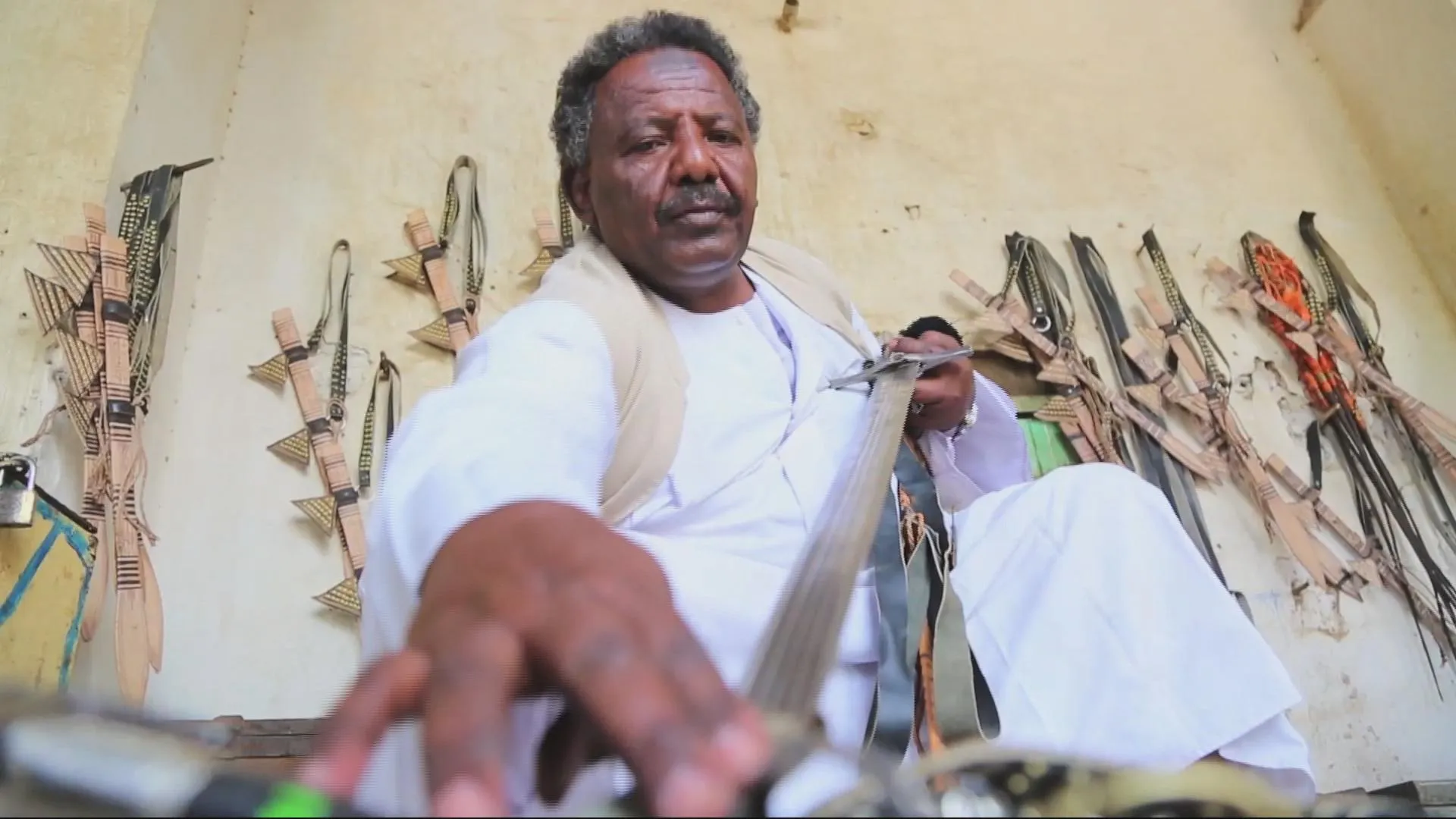
Sudan continues to preserve one of its most enduring cultural symbols through the Beja sword, particularly the traditional kaskara, which remains widely valued in the eastern regions of the country.
In markets such as Kassala, these swords are more than historical artifacts. They are heirlooms, status symbols, and visible expressions of identity deeply rooted in the traditions of the Beja people.
A tradition carried through generations
Among communities in eastern Sudan, including the Beni Amr and Beja tribes, swords are closely tied to both history and social customs. Once essential tools in warfare and survival, they now serve a largely symbolic role in modern society.
Despite this shift, their cultural importance has not diminished. Swords are commonly worn during weddings, celebrations, and religious holidays, maintaining a visible link between past and present.
A local merchant, Hamed Abo Ali, describes the sword as a representation of heritage, noting that carrying one remains a respected tradition tied to identity and pride.
Craftsmanship rooted in centuries of skill
The process of creating a Beja sword is a labor-intensive craft passed down through generations of skilled blacksmiths. Each sword is forged over the course of nearly two weeks, with attention given to the blade, grip, pommel, and leather sheath.
These details reflect not only artistry but also a cultural legacy that continues to survive despite modernization and changing lifestyles.
From battlefield necessity to cultural symbol
Historically, swords played a critical role during periods of conflict, including Sudan’s struggles in the late nineteenth century. At that time, they were tools of survival and resistance.
Today, their role has evolved. While no longer used in combat, they remain central to traditional dress and ceremonies, symbolizing honor, strength, and continuity.
Across parts of East Africa and even the southern Arabian Peninsula, similar traditions exist, reinforcing the broader cultural significance of swords within the region.
Preserving culture in a changing world
As Sudan navigates social and economic change, traditions like the Beja sword offer a sense of continuity. They serve as reminders of identity, resilience, and the importance of preserving cultural heritage.
In a rapidly modernizing world, such traditions face challenges, but they also demonstrate how communities adapt without losing their core values.
Africa’s cultural richness lies in its ability to carry history forward while embracing the future. Sudan’s Beja swords are a clear example of this balance.
The continent’s story is not only about transformation but also about preservation. As younger generations continue to inherit and reinterpret these traditions, Africa’s cultural identity remains dynamic, resilient, and full of possibility.