
Egypt Plans New State Company Listings as Government Pushes to Boost Private Sector Growth

|
Getting your Trinity Audio player ready...
|
Egypt is preparing a new wave of economic reforms aimed at making it easier for businesses to operate while advancing plans to list several state owned companies on the stock exchange over the next year.
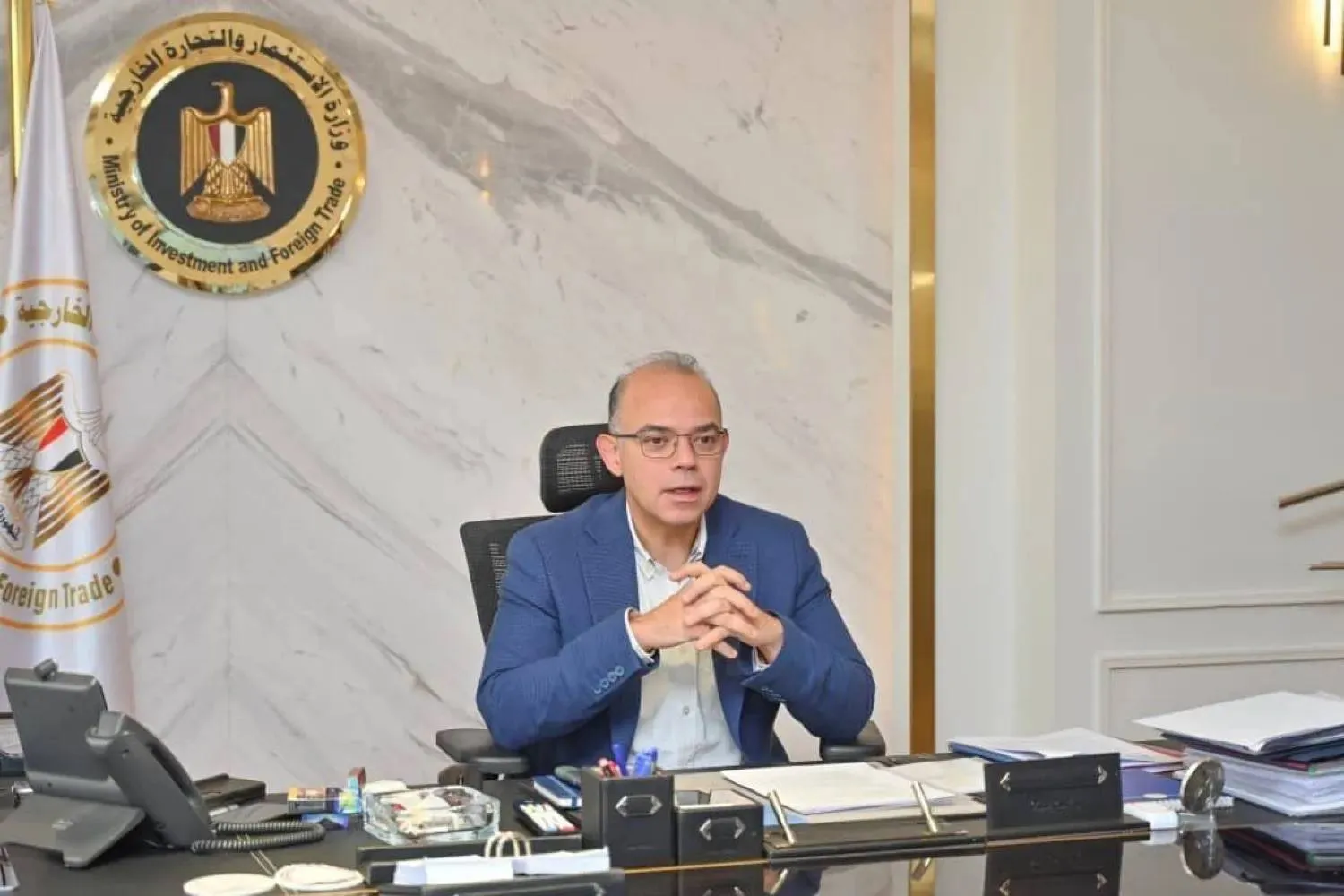
Speaking during a visit to London, Investment and Foreign Trade Minister Mohamed Farid Saleh said the government expects to list as many as four state owned firms within the next 12 months while also implementing measures designed to simplify business operations, capital raising and mergers and acquisitions.
The announcement comes as Egypt continues efforts to stabilize its economy following a period marked by currency pressures, inflation challenges and external shocks.
Government Targets Easier Business Environment
According to Saleh, one of the government’s main priorities is improving the ease of doing business for companies already operating in Egypt.
Planned reforms are expected to streamline company procedures, reduce administrative barriers and improve access to financing opportunities.
Officials believe these changes will encourage investment, improve competitiveness and strengthen the role of the private sector in economic growth.
Saleh described the reform agenda as a major undertaking that will focus on helping businesses operate more efficiently and expand more easily.
New IPOs Expected Over the Next Year
The minister said more than half a dozen companies could be listed on the Egyptian stock exchange during the next 12 months.
Of those, three to four are expected to come from the government sector, while four to five could come from private companies.
Earlier this year, Egypt announced plans to sell up to a 20 percent stake in Misr Life Insurance, a move that could raise approximately 14 billion Egyptian pounds.
However, Saleh declined to identify additional state owned companies that could be listed or disclose potential fundraising targets.
IMF Reform Program Continues
Egypt’s economic reform efforts have been supported by an $8 billion International Monetary Fund program tied to several policy changes, including exchange rate liberalization, fiscal reforms and efforts to reduce the state’s footprint in parts of the economy.
The IMF has previously noted that progress in reducing the role of state owned enterprises has moved more slowly than anticipated.
Saleh said Egypt has met or exceeded several key targets under the current IMF program, including fiscal deficit and primary surplus goals.
He also indicated that a follow on IMF program is not currently being considered once the existing arrangement expires later this year.
Government Reaffirms Commitment to Floating Exchange Rate
The Egyptian pound has faced renewed pressure amid regional instability and geopolitical tensions.
According to Saleh, the government remains committed to maintaining a floating exchange rate and will continue focusing on inflation control rather than defending a specific currency level.
“Investors can deal with volatility, they don’t deal with uncertainty,” he said.
Officials argue that maintaining clear and consistent economic policies is essential for attracting long term investment and preserving market confidence.
Foreign Investment Outlook Remains Positive
Despite ongoing economic challenges, Egypt expects foreign direct investment inflows to increase between 10 and 15 percent during the current fiscal year compared with the previous period.
The government views stronger investment inflows as a key component of its strategy to create jobs, support growth and strengthen economic resilience.
While challenges remain, policymakers believe reforms aimed at improving transparency, expanding private sector participation and modernizing financial markets can help position Egypt for sustained growth.
As Africa’s second largest economy continues its reform journey, the success of these measures will be closely watched across the continent. Economic transformation is rarely achieved overnight, but steady reforms, growing investment and a dynamic young population continue to provide opportunities for progress. Africa’s development story remains one of evolution, resilience and long term potential, with each reform laying another foundation stone for future growth.