
Malawi Recognition of Prior Learning Opens New Pathways for Informal Workers
By Maxine Ansah

|
Getting your Trinity Audio player ready...
|
Malawi has taken a significant step towards bringing skills acquired outside formal classrooms into the national qualifications system, with the first artisans graduating through the country’s Recognition of Prior Learning programme.
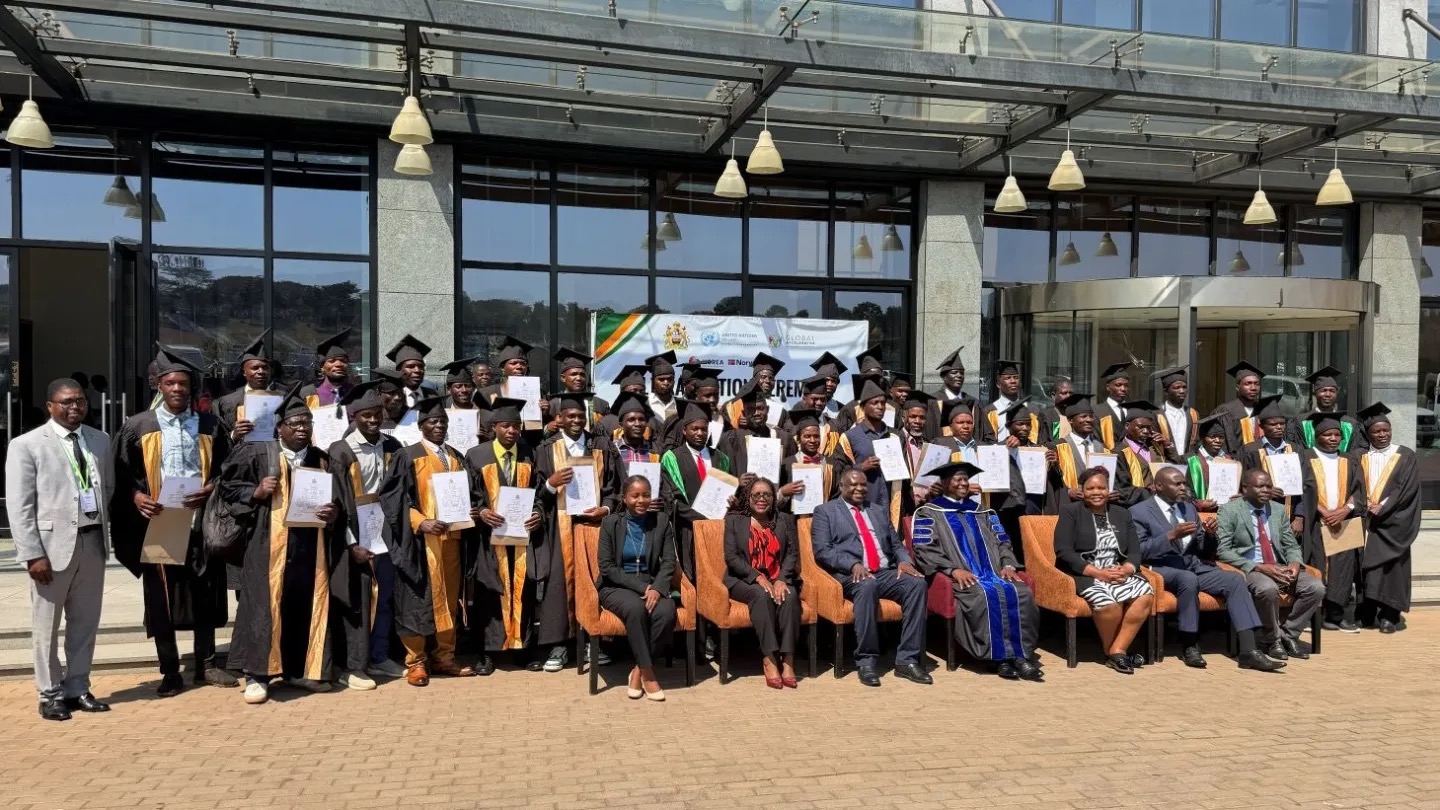
At a ceremony held at the Bingu International Convention Centre in Lilongwe on 6 August 2026, 100 artisans received certificates formally recognising competencies they had acquired through work experience and informal learning.
The graduates are part of more than 500 artisans who have already been assessed and certified through the Recognition of Prior Learning, or RPL, programme.
The initiative is particularly significant in Malawi, where 91.5 per cent of employed people work in the informal economy. For workers who have spent years developing practical skills without acquiring formal qualifications, RPL provides a mechanism through which their experience can be assessed, recognised and translated into nationally recognised certification.
Rather than focusing exclusively on where or how a person learned a trade, RPL assesses the knowledge, skills and experience they already possess. This creates opportunities for workers to improve their employment prospects, pursue further training, develop their businesses and strengthen their access to social protection.
Turning experience into recognised qualifications
The programme has strengthened Malawi’s capacity to implement RPL nationally. The Ministry of Labour, Skills and Innovation and the Technical, Entrepreneurial and Vocational Education and Training Authority have received support to develop national guidelines, assessment tools and procedures, train assessors and conduct skills assessments.
George Masinga, Director of Administration, speaking on behalf of the Minister of Labour, Skills and Innovation, said the initiative contributes directly to the country’s long-term development ambitions.
“Recognition of Prior Learning is a strategic intervention that contributes to the realization of Malawi 2063 by recognizing, validating and developing the skills of our workforce,” Masinga said.
For artisans who have built careers through practical experience, certification can address a longstanding disadvantage: possessing the ability to perform skilled work without having documentation to prove it.
Owen M’bona, a refrigeration and air-conditioning technician, learned his trade through practical experience rather than formal training. His RPL certification now provides official recognition of those skills.
“Before this achievement, many doubted my abilities because I had no formal qualification. I now have confidence because people will trust my work,” M’bona said.
His experience reflects the position of many skilled workers whose expertise has developed through informal learning and years of practical work. Under RPL, those competencies can be assessed against recognised occupational standards and formally certified.
ILO backs Malawi’s skills recognition drive
The development and rollout of Malawi’s RPL system has been led by the Ministry of Labour, Skills and Innovation and TEVETA, with support from the International Labour Organization and the United Nations system.
Speaking at the graduation ceremony, ILO Country Director for Malawi and Zambia Wellington Chibebe encouraged the newly certified artisans to help other workers understand the value of having their skills formally recognised.
“Your certificates are not only a recognition of the skills you have acquired; they are also an opportunity to demonstrate what you can do. We encourage you to become ambassadors of RPL and inspire other skilled workers to have their competencies recognized,” Chibebe said.
The initiative is supported through the Global Accelerator on Jobs and Social Protection for Just Transitions, with funding from the governments of the Republic of Korea and Norway.
As Malawi pursues its Malawi 2063 vision, the RPL programme offers a practical route towards a more inclusive and competitive workforce by ensuring that skills gained through experience are not treated as less valuable simply because they were acquired outside formal education.
For Africa, Malawi’s experience also speaks to a much wider development challenge. Across a young continent where informal work remains central to millions of livelihoods, talent does not exist only inside universities, colleges and training institutions. Recognising what people already know can help turn experience into opportunity, strengthen confidence in African workers and businesses, and ensure that development systems reflect the realities in which people actually learn and work. Malawi’s first RPL graduates are therefore more than certificate holders. They represent a model of how African countries can begin giving practical knowledge the formal value it deserves.
Malawi Recognition of Prior Learning, Recognition of Prior Learning Malawi, Malawi RPL programme, Malawi informal workers, Malawi skills recognition, Malawi artisans, Malawi workforce development, Malawi employment, Malawi vocational training, Malawi skills development, ILO Malawi, International Labour Organization Malawi, TEVETA Malawi, Malawi 2063, Malawi informal economy, informal economy Malawi, skills certification Malawi, artisan certification Malawi, Malawi labour market, Malawi jobs, African skills development, Africa informal economy, informal workers Africa, skills recognition Africa, vocational education Africa, African workforce development, Malawi vocational education, Malawi vocational skills, Recognition of Prior Learning Africa, RPL Africa, Malawi worker certification, informal learning Malawi, work experience certification, skills acquired through experience, nationally recognised qualifications Malawi, Malawi employment opportunities, Malawi career development, Malawi social protection, social protection Malawi, Global Accelerator jobs, Global Accelerator social protection, jobs and social protection Africa, just transitions Malawi, Malawi labour skills, Ministry of Labour Malawi, Ministry of Labour Skills and Innovation Malawi, TEVETA Recognition of Prior Learning, ILO skills development, ILO Recognition of Prior Learning, Malawi artisans certification, Lilongwe skills programme, Malawi workers qualifications, informal sector qualifications, informal workers certification, African artisans, artisan skills Africa, practical skills recognition, occupational standards Malawi, skills assessment Malawi, Malawi competency assessment, competency certification Africa, informal education recognition, non-formal learning Malawi, experiential learning certification, African vocational training, African employment opportunities, workforce inclusion Malawi, inclusive workforce Africa, competitive workforce Malawi, employment prospects Malawi, Malawi business growth, artisan business growth, skilled workers Malawi, skilled workers Africa, African labour markets, formal recognition of skills, qualifications for informal workers, Malawi economic development, human capital Malawi, human capital development Africa, skills and employment Africa, labour market inclusion Africa, African informal workers certification, skills policy Malawi, vocational policy Malawi, Malawi development agenda, Malawi 2063 workforce, UN Malawi skills programme, United Nations Malawi, ILO Malawi and Zambia, Wellington Chibebe ILO, George Masinga Malawi, Owen M’bona Malawi, refrigeration technician Malawi, air conditioning technician Malawi, Bingu International Convention Centre, BICC Lilongwe, Malawi artisan graduation, African skills certification, future of work Malawi, future of work Africa