
South Africa UN-Habitat Country Office Targets Housing and Urban Transformation
By Maxine Ansah

|
Getting your Trinity Audio player ready...
|
South Africa and UN-Habitat are strengthening their cooperation on housing and sustainable urban development with the establishment of a new UN-Habitat country office in the City of Tshwane, Gauteng.
The office, launched on 14 August, marks a new phase in the partnership between South Africa and the United Nations agency responsible for promoting sustainable cities and human settlements. UN-Habitat Executive Director Anacláudia Rossbach joined South African Minister of Human Settlements Thembi Simelane for the launch during Rossbach’s first official visit to the country.
The new presence is expected to deepen cooperation on adequate housing, spatial transformation, sustainable human settlements and urban development as South Africa confronts persistent inequalities in its rapidly changing cities.
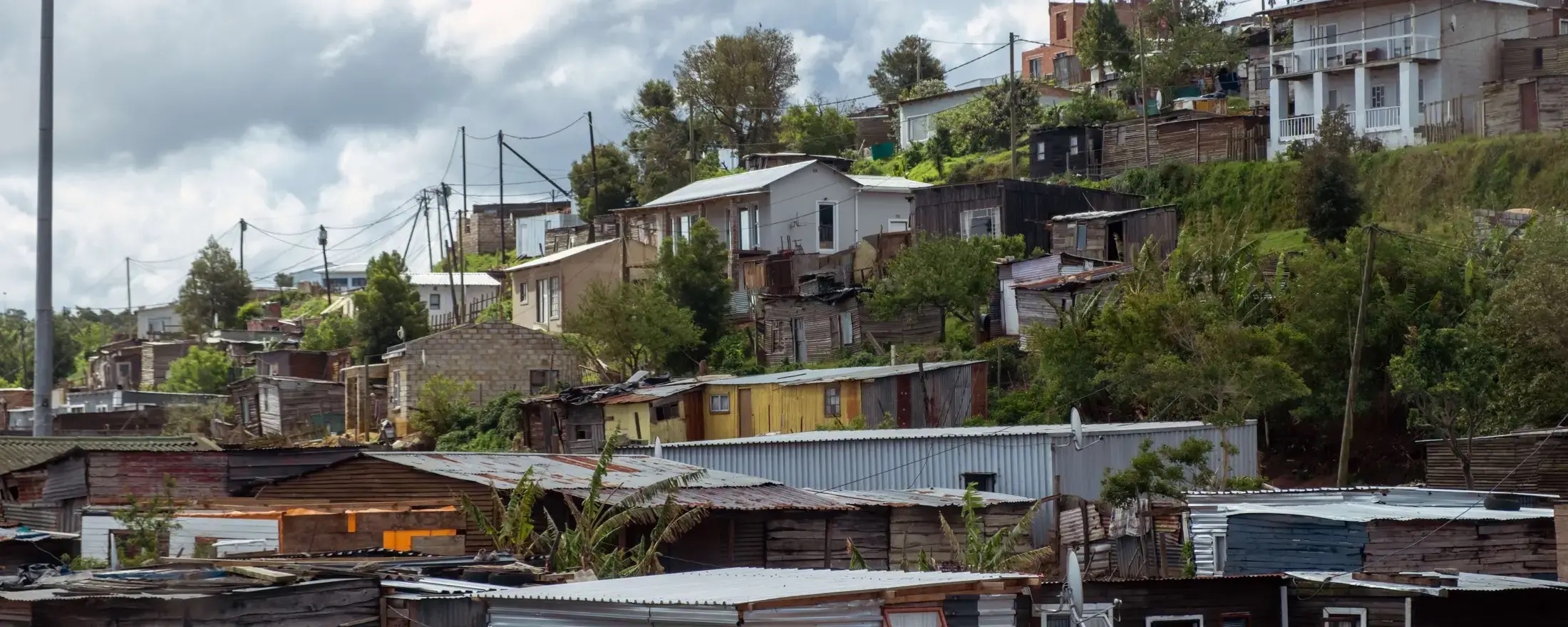
South Africa continues to face challenges including spatial inequality, limited access to land and basic services, informal settlements and the increasing effects of climate change. At the same time, the country has accumulated significant experience in housing, human settlements and urban development, creating opportunities to share lessons and approaches with other African countries.
A New Phase in South Africa’s Urban Development Agenda
South Africa’s Cabinet approved the establishment of the UN-Habitat country office and country programme in March 2024. The initiative forms part of the cooperation framework between the South African Government and UN-Habitat and is intended to support national priorities in spatial transformation, housing, urban development and sustainable human settlements.
Its work will be aligned with South Africa’s National Development Plan 2030 and the 2024–2029 Medium-Term Development Plan. Through strategic guidance, technical assistance and partnerships, the office will support priorities relating to spatial transformation, human settlements and local government.
It will also contribute to South Africa’s implementation of the Sustainable Development Goals, particularly SDG 11 on making cities and human settlements inclusive, safe, resilient and sustainable, as well as the New Urban Agenda and the broader 2030 Agenda for Sustainable Development.
“Ultimately, this office is about partnership and delivery. It is about bringing the United Nations closer to where urban transformation actually happens, in cities and communities,” Rossbach said ahead of her visit.
The office arrives as housing pressures continue to affect billions of people worldwide. According to the information accompanying the launch, as many as 3.4 billion people globally are affected by housing inadequacy, while more than 1.1 billion live in informal settlements and slums.
The partnership will seek to combine UN-Habitat’s international experience with South Africa’s expertise, adapting approaches to the country’s particular circumstances and development priorities.
Bringing UN Expertise Closer to South African Communities
The new office will work with the UN Country Team in South Africa and build on existing United Nations capacities in the country.
Its work will align with the recently adopted UN Sustainable Development Cooperation Framework, allowing UN-Habitat’s expertise in adequate housing, informal settlement transformation, sustainable urban development and climate resilience to contribute to the wider UN development effort.
During her visit, Rossbach is also expected to engage with the UN Resident Coordinator and members of the United Nations Country Team.
The partnership places considerable emphasis on local government. Ahead of the office launch, Rossbach was due to engage local authorities through a project visit in eThekwini, reflecting the central role cities and local governments play in delivering affordable housing and improving informal settlements and slums.
South Africa’s Experience Could Serve the Wider SADC Region
Although the country office is focused on South Africa, its establishment could have wider significance for Southern Africa.
The office provides an opportunity to strengthen knowledge exchange and cooperation across the Southern African Development Community region. UN-Habitat already operates in Angola, Botswana, the Democratic Republic of the Congo, Madagascar, Mozambique, Namibia, Zambia and Zimbabwe.
South Africa’s experience in confronting informal settlements, spatial inequality and sustainable urban development could therefore provide lessons for countries facing similar pressures.
That regional dimension is particularly important as African cities expand and governments confront the challenge of ensuring that urban growth is accompanied by adequate housing, services, infrastructure and resilience to climate change.
Women at the Centre of Housing Policy
Gender-responsive human settlements will also form part of the strengthened partnership.
Following the launch, Simelane and Rossbach are set to participate in a Women’s Month engagement focused on equitable access to housing and land, gender-responsive human settlements and women’s economic empowerment.
The engagement highlights the connection between secure housing and tenure and women’s dignity, safety and economic independence. It also reinforces the importance of ensuring women have a meaningful voice in decisions concerning housing, public spaces, transport, safety and access to basic services.
Housing policy is therefore not simply a question of constructing homes. Who has access to land, whose needs shape urban planning and who participates in decisions about cities can determine whether urban development reduces existing inequalities or reproduces them.
For Africa, South Africa’s strengthened partnership with UN-Habitat offers an opportunity that extends beyond one country office. The continent’s cities are still being shaped, and many of the systems that will determine how future generations live, work and move are being built now. South Africa’s experience shows both the depth of the challenges inherited from the past and the possibilities created when African expertise is placed at the centre of finding solutions. If the partnership translates policy into better housing, safer communities and more inclusive cities, its most important lessons may ultimately travel far beyond Tshwane.
South Africa UN-Habitat, UN-Habitat South Africa, UN-Habitat country office, South Africa housing, sustainable urban development, South Africa urban development, Tshwane UN-Habitat office, housing in South Africa, sustainable cities Africa, African urban development, human settlements South Africa, adequate housing Africa, South Africa human settlements, spatial inequality South Africa, informal settlements South Africa, housing inequality Africa, urban transformation South Africa, SDG 11 South Africa, Sustainable Development Goals Africa, UN-Habitat Africa, Anacláudia Rossbach, Thembi Simelane, South Africa Ministry of Human Settlements, City of Tshwane development, Gauteng urban development, South Africa land access, basic services South Africa, informal settlements Africa, climate resilience Africa, urban climate resilience, sustainable human settlements, National Development Plan 2030, South Africa Development Plan, 2030 Agenda South Africa, New Urban Agenda Africa, urbanisation in Africa, African cities, future of African cities, affordable housing Africa, adequate housing South Africa, housing crisis Africa, urban inequality Africa, SADC urban development, Southern Africa housing, SADC sustainable cities, Southern African Development Community, UN South Africa, UN Country Team South Africa, UN Sustainable Development Cooperation Framework, local government South Africa, eThekwini urban development, women and housing Africa, women land rights Africa, gender-responsive housing, gender-responsive human settlements, women economic empowerment Africa, secure housing women, secure land tenure women, women urban development, women city planning, inclusive cities Africa, resilient cities Africa, safe cities Africa, sustainable communities Africa, housing policy Africa, land rights South Africa, urban planning South Africa, spatial transformation South Africa, urban policy Africa, South Africa climate change, climate change and cities Africa, urban resilience South Africa, African housing solutions, South Africa housing expertise, regional urban cooperation, UN-Habitat SADC, urban knowledge exchange Africa, housing and human rights Africa, right to adequate housing, equitable access to housing, equitable access to land, African sustainable development, cities and communities Africa, urban infrastructure Africa, city development South Africa, transforming informal settlements, slum transformation Africa, local authorities Africa, housing delivery South Africa, urban governance Africa, sustainable local government, UN urban development Africa, South Africa UN partnership, Africa UN-Habitat partnership, housing innovation Africa, urban innovation South Africa, inclusive urban development, Africa housing development, sustainable housing Africa, Tshwane sustainable development