

|
Getting your Trinity Audio player ready...
|
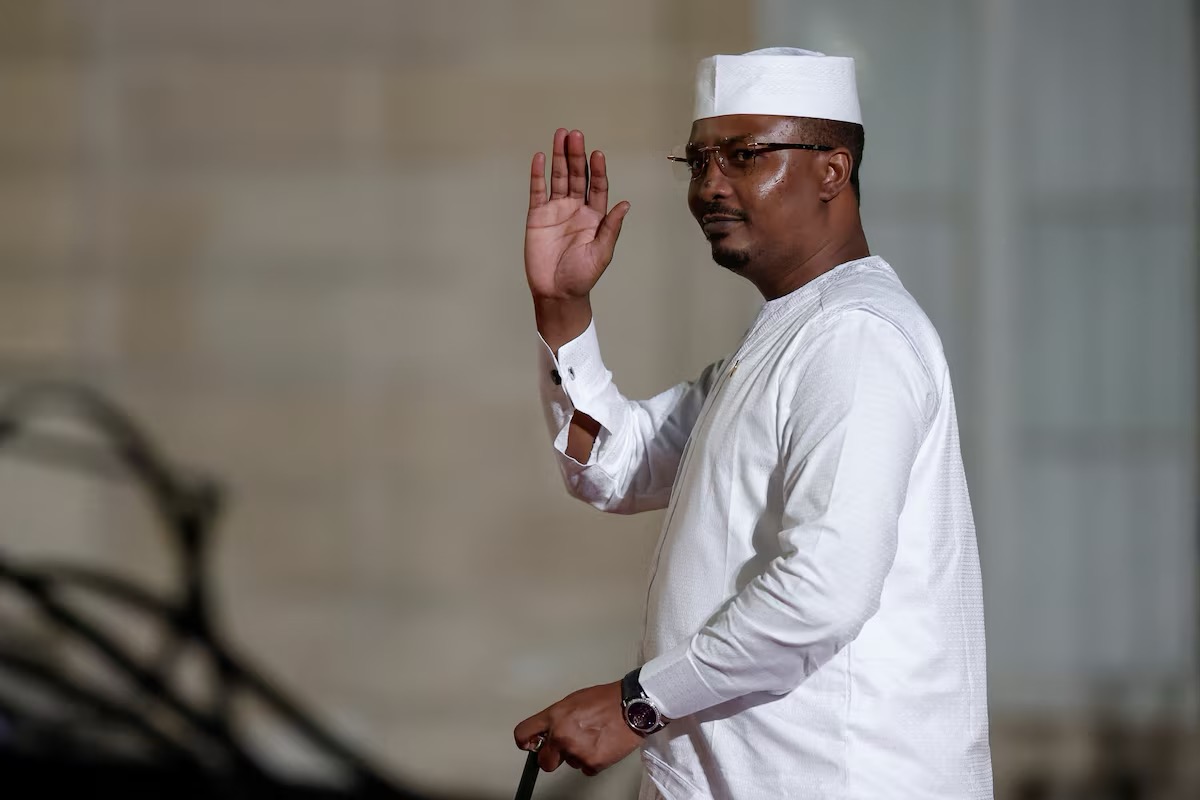
Chadian President Mahamat Idriss Deby has replaced the two senior officials leading the country’s anti-corruption authority following a dispute surrounding an attempted audit of the state-owned Chadian Hydrocarbons Company.
The president appointed a new inspector general and deputy inspector general through a presidential decree, replacing the previous office holders at a time of heightened attention on the work of the country’s anti-corruption body.
The decree did not state why the officials had been replaced.
The leadership change follows allegations by the anti-corruption authority that its inspectors were detained and assaulted by state security agents while attempting to conduct an audit of the operations of the Chadian Hydrocarbons Company.
The authority said its officers had requested documents as part of an examination of revenues, including sales invoices sent to commodities company Glencore.
The state-owned oil company has denied deliberately obstructing the audit. Glencore has not been accused of wrongdoing in connection with the matter.
The presidential decree appointing the new leadership of the anti-corruption authority did not refer to the alleged detention or assault, leaving the leadership change and the dispute surrounding the audit as separate but closely watched developments.
The episode places renewed attention on institutional independence and transparency in Chad, particularly in relation to the management and oversight of revenues generated through the country’s natural resources.
Oil-producing states face particular governance challenges because the management of natural-resource revenues can have far-reaching consequences for national development, public finances and confidence in state institutions.
Effective oversight mechanisms are therefore important not simply as anti-corruption measures, but as part of ensuring that public institutions can scrutinise the management of national assets.
The developments also raise broader questions about the ability of oversight bodies to perform their functions when their work involves powerful state institutions or economically significant sectors.
For Chad, the immediate focus will be on how the newly appointed leadership approaches the mandate of the anti-corruption authority and whether the controversy surrounding the attempted audit receives further clarification.
The credibility of anti-corruption institutions ultimately depends on more than their formal existence. Their effectiveness is determined by whether they can conduct investigations, obtain information and carry out their responsibilities with sufficient independence and institutional protection.
For African states rich in natural resources, the question is rarely only how much oil, gas or minerals lie beneath the ground. It is also whether institutions are strong enough to ensure that public wealth remains accountable to the public. Chad’s institutions, like those of many relatively young African republics, are still evolving. Moments such as this matter because the credibility of those institutions will ultimately determine whether resource wealth becomes a foundation for development or another source of public distrust.
Chad corruption, Mahamat Idriss Deby, Chad anti corruption, Chad governance, Chad oil company, Chadian Hydrocarbons Company, SHT Chad, Chad anti graft authority, Chad audit dispute, Chad oil revenues, Chad politics, Chad 2026, N’Djamena news, Chad breaking news, Africa breaking news, Central Africa politics, African governance, anti corruption Africa, Chad state oil company, Chad corruption authority, Chad government decree, Chad audit, Chad hydrocarbons, Glencore Chad, Chad public finance, Chad accountability, Chad transparency, Chad institutions, Chad state security, Chad governance reform, Chad corruption news, Chad oil sector, Chad revenue audit, Chad inspector general, Chad anti corruption officials, Mahamat Deby government, Chad political news, Chad economic governance, Chad resource governance, Chad oil governance, Central Africa news, Africa anti corruption, Chad public accountability, Chad state institutions, Chad transparency reform, Chad oil revenues audit, Chad hydrocarbons company audit, Chad government reshuffle, Chad anti graft shakeup, Chad presidency, Deby anti corruption, Chad state owned enterprises, Chad public sector, Chad corruption perceptions, Transparency International Chad, Chad governance news, Chad oil revenue management, Chad political accountability, Chad audit controversy, Chad anti corruption authority leadership, Chad public institutions, Chad energy sector, Chad petroleum sector, Chad extractives governance, Chad state company, Chad government accountability, Chad institutional reform, Chad political developments, Chad latest news, Chad news today, African anti graft efforts, African oil governance, Central African governance, Chad revenue transparency, Chad corruption watchdog, Chad presidency decree, Chad oil audit dispute, Chad public revenue, Chad anti corruption 2026, Chad governance 2026, Chad economic transparency, Chad accountability reforms, Chad political economy, Chad state oil revenues, Chad audit officials, Chad anti graft officials replaced, Chad corruption investigation, Chad state security agents, Chad oil sales invoices, Chad Glencore invoices, Chad corruption perceptions index, Chad institutional accountability, Chad governance challenges, Chad public sector integrity, Chad anti corruption news today, Chad hydrocarbons revenue, Chad state oil audit, Chad political reform, Chad transparency news, Mahamat Idriss Deby Chad