

|
Getting your Trinity Audio player ready...
|
In a historic move marking the close of a long-standing military era, France officially relinquished control of its final major base in Senegal, concluding its permanent military presence in the West African nation. This strategic transition signals a broader recalibration of France’s military engagement across West and Central Africa.
During a formal handover ceremony at Camp Geille in Dakar, General Pascal Ianni, commander of French forces in Africa, symbolically presented the keys to the facility, now under full Senegalese control. The moment was marked with a flag-raising ceremony and the playing of Senegal’s national anthem by a military band an event rich with national pride and diplomatic significance.
“This transfer of Camp Geille represents a pivotal step forward in redefining the cooperation between our two armed forces,” General Ianni stated. “It reflects Senegal’s sovereign decision to host no permanent foreign troops on its soil.”
A Mutually Agreed Transition
The decision aligns with President Bassirou Diomaye Faye’s policy stance, announced in 2024, emphasizing the need to reclaim full sovereignty over national security infrastructure. He affirmed that permanent foreign military bases no longer aligned with the country’s vision of autonomy. The timeline for the withdrawal was mutually agreed upon, with France gradually transferring control of all facilities in Dakar beginning earlier this year.
Unlike other recent French military exits from the region such as those from Mali, Burkina Faso, and Niger, which followed rising anti-French sentiment and geopolitical shifts towards new alliances Senegal’s transition has been notably diplomatic and coordinated.
Reframing Military Cooperation
France’s military footprint in Africa, which dates back more than 200 years in Senegal, is undergoing a strategic evolution. While large-scale deployments are being scaled down, French officials have reaffirmed a commitment to maintain strong regional ties through military training programs, intelligence sharing, and operational support upon request.
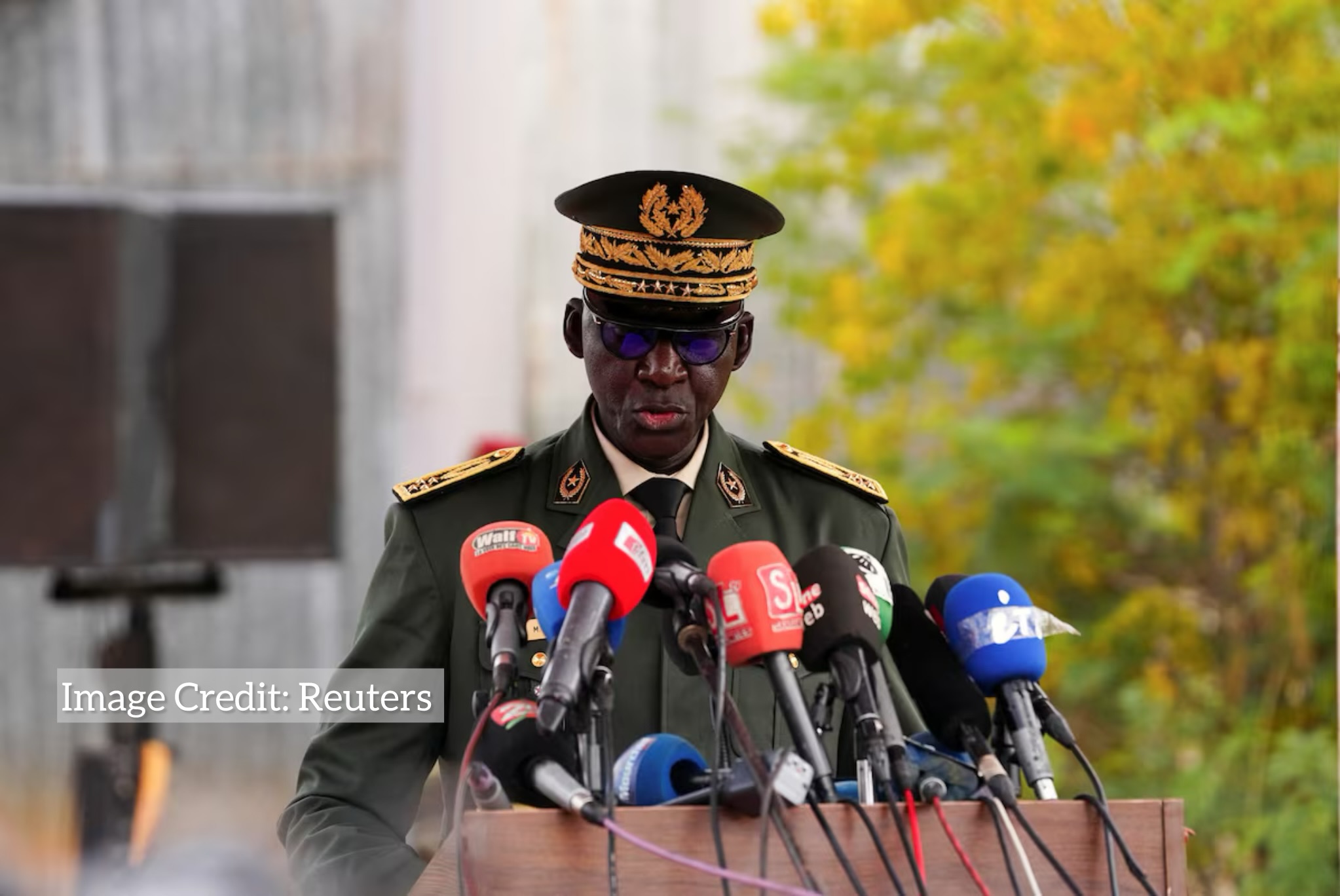
General Mbaye Cisse, Chief of Staff of the Senegalese Armed Forces, emphasized that the handover does not signify a severance of ties but rather a restructured partnership.
“This new framework allows us to continue benefiting from essential military collaboration, particularly in training and strategic intelligence,” Cisse noted. “We extend our wishes of safety and goodwill to our French counterparts and their families returning home.”
Historical Context and the Way Forward
Senegal, a former French colony that gained independence in 1960, has had a complex relationship with France. While military and political ties have remained strong, there have been long-standing demands for greater recognition of historical injustices, most notably the 1944 Thiaroye massacre, in which African soldiers who had fought for France during World War II were killed.
The departure of French troops from Senegal represents a significant turning point in West Africa’s post-colonial military history. It also reflects a growing regional movement toward redefining sovereignty, security partnerships, and international alignment.
As France shifts its focus from a direct military presence to support roles in Africa, both Paris and Dakar appear poised to enter a new era of collaboration one based on mutual respect, shared goals, and national autonomy.