

|
Getting your Trinity Audio player ready...
|
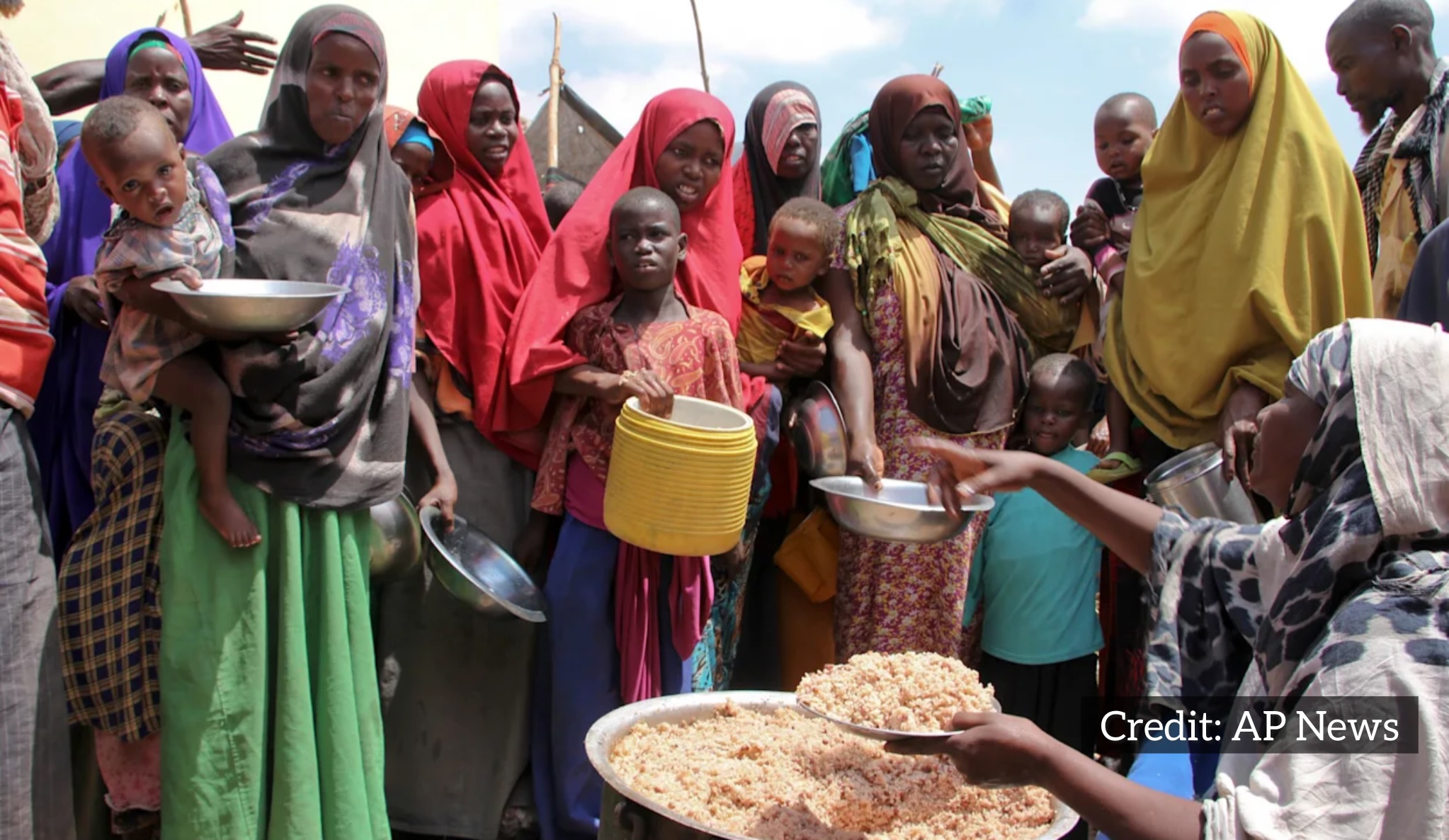
The United Nations World Food Programme (WFP) has announced plans to drastically reduce food assistance in Somalia starting next month, leaving three-quarters of a million people without critical support at a time when the country is facing worsening hunger and climate shocks.
In a statement released on Friday, the agency said the number of Somalis receiving emergency food aid will drop from 1.1 million in August to just 350,000 by November, citing severe funding shortages that have crippled its operations.
“We’re witnessing a worrying surge in emergency hunger levels, yet our resources are running out fast,”
said Ross Smith, WFP’s Director of Emergency Preparedness and Response.
“Without immediate financial support, families already on the brink of starvation will lose the little assistance they have left.”
Rising Hunger Amid Compounding Crises
The reduction in aid comes as Somalia faces one of the worst food security crises in the world. According to the latest UN figures:
- 4.6 million people are currently experiencing crisis or worse levels of hunger,
- 1.8 million children are expected to suffer from acute malnutrition this year,
- and 421,000 children are at risk of severe malnutrition, a life-threatening condition.
WFP reports that it has been able to reach only 180,000 children with assistance so far, leaving a massive gap in humanitarian coverage.
Climate Change, Conflict, and Insecurity Deepen the Crisis
Somalia’s hunger emergency is being driven by a triple threat of climate shocks, conflict, and chronic instability.
Over the past decade, the country has endured repeated droughts, flash floods, and erratic rainfall patterns attributed to climate change, which have devastated agriculture and displaced thousands. These environmental challenges are compounded by insecurity linked to al-Shabab, an al-Qaida-affiliated militant group that controls parts of the country and restricts humanitarian access.
The combination of these factors has left millions dependent on international food aid for survival.
Funding Shortfall Threatens Lifesaving Operations
The WFP says it urgently needs $98 million to continue providing a minimum level of assistance to 800,000 people through the lean season, which runs until March 2026. Without new funding, the agency warns, it will be forced to make even deeper cuts to its programs.
Global economic pressures, competing crises, and reductions in foreign aid, particularly from the United States, have further strained the humanitarian response. Aid organizations say the funding gap risks undoing years of progress made in stabilizing Somalia’s food security situation.
“Every day we’re forced to make impossible choices about who to feed and who to turn away,” a WFP official added. “The consequences for vulnerable families will be devastating.”
A Call for Urgent Global Action
Humanitarian agencies and Somali officials are urging the international community to respond quickly to the crisis. With millions already living in extreme poverty and food insecurity worsening, they warn that delays in funding could push the country toward a full-scale famine.
The crisis in Somalia underscores a broader global trend: the growing gap between humanitarian needs and available funding. As climate change intensifies and conflicts persist, aid agencies are struggling to keep pace with rising demand.
For families in Somalia, the next few months could be decisive. Without renewed support, hundreds of thousands may face starvation, displacement, and irreversible harm.
Credit: AP News