
Burkina Faso Tightens Control Over $7 Billion Gold Industry as Foreign Firms Lose Ground
|
Getting your Trinity Audio player ready...
|
Burkina Faso is tightening its grip on one of Africa’s most valuable industries as the military-led government moves to reduce foreign dominance in the country’s gold sector. The West African nation, a leading gold producer on the continent, is accelerating efforts to increase state and local ownership of mining assets.
Rising Local Ownership in Mining Operations
Six of Burkina Faso’s 15 industrial gold mines are now majority-owned by Burkinabe companies, with three under direct state control. This marks a significant shift in ownership patterns in a sector that was historically dominated by multinational firms. The changes reflect a deliberate restructuring effort that has taken shape over the past three years.
Economic Sovereignty at the Center of Policy
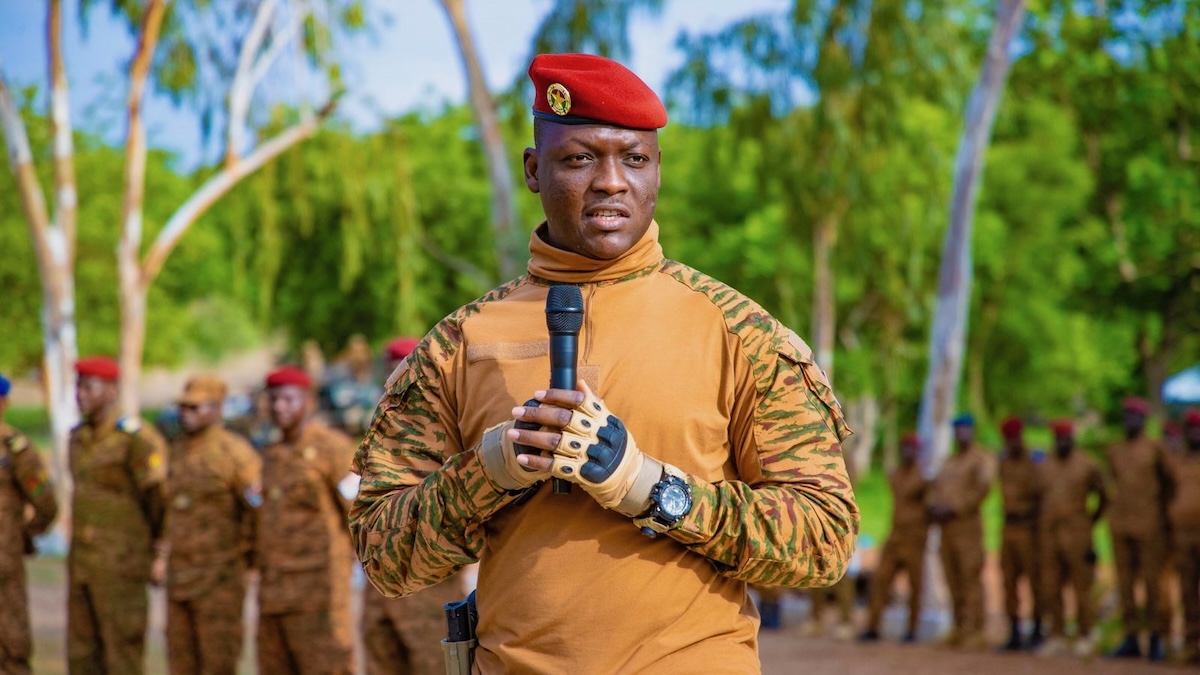
President Ibrahim Traoré has positioned control of natural resources as central to his economic agenda. The reforms are part of a broader push for economic sovereignty, with authorities seeking to retain more mining wealth within the country. During the launch of a national gold refinery project in 2023, Traoré stated that Burkina Faso intended to extract and benefit from its gold resources more directly.
Break from Foreign Dominance
By the end of 2025, the restructuring had already transformed the sector. According to industry data, six active industrial mines were majority-owned locally, while three were controlled by the state through the Burkina Faso Mining Participation Company. This represents a major break from decades in which foreign companies dominated production and profits in the country’s mining industry.
Emergence of Local Investors
Local investors are increasingly playing a bigger role in the sector. Businessman Inoussa Kanazoe, through Soleil Resources International, is among those expanding influence after reportedly acquiring key mining assets, including the BMC and Roxgold mines. This signals a growing confidence among domestic players in a sector long controlled externally.
Retaining Wealth for National Development
Authorities argue that the reforms are designed to ensure more mining revenue stays within Burkina Faso. The government aims to channel these funds into infrastructure, industrialisation, and broader economic development. The shift is also seen as a way to strengthen national resilience amid global economic pressures and regional security challenges.
A Wider African Trend
Burkina Faso’s strategy reflects a broader movement across Africa, where governments are seeking greater control over strategic natural resources. Rising geopolitical competition and increasing calls for resource nationalism are pushing countries to rethink how their natural wealth is managed and who benefits from it.
A Continent Reclaiming Its Wealth
Burkina Faso’s approach highlights a deeper shift taking place across the continent. Many African nations are still refining how to manage resources that were historically controlled by external actors. While challenges remain, including balancing investor confidence with national interests, the direction is becoming clearer. Africa’s resource story is evolving, and more countries are beginning to assert control, build local capacity, and shape their own economic futures in a way that reflects their long-term development goals.