
Egypt’s Mohamed Salah Stands Alone on Forbes 2026 Highest-Paid Athletes List as Africa’s Representation Shrinks
|
Getting your Trinity Audio player ready...
|
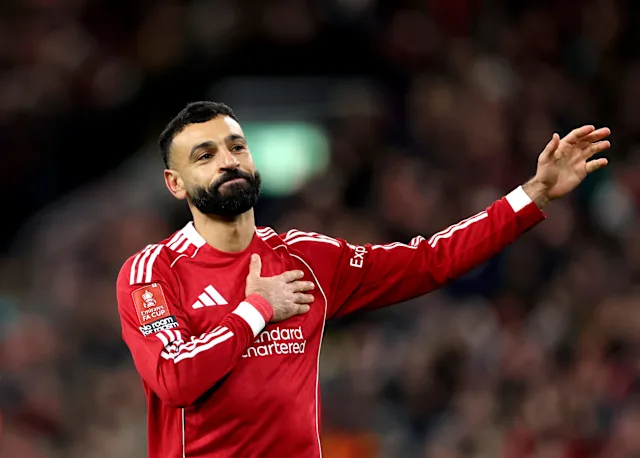
Egypt’s Mohamed Salah has emerged as the only African athlete to secure a place on the 2026 Forbes list of the world’s highest-paid athletes, ranking 47th with estimated earnings of 55 million dollars. His inclusion highlights a broader gap in Africa’s representation at the highest levels of global sports income.
Global Wealth Still Concentrated Outside Africa
The rankings underline how the biggest financial rewards in sports remain concentrated in Europe, the Middle East, and North America. Mega contracts, sponsorships, and commercial ecosystems in these regions continue to outpace what is available to most athletes based on the African continent.
Ronaldo’s Continued Financial Dominance
At the top of the list sits Cristiano Ronaldo, who leads for the fourth consecutive year with earnings of 300 million dollars. His income is largely driven by his contract with Al Nassr and sustained global commercial appeal, reinforced by recent on-field success in Saudi Arabia.
African Talent, But Limited Representation
Despite Africa’s deep pool of football talent, only Salah officially represents the continent on the list. Players such as Kylian Mbappé and Karim Benzema, both of African descent, feature prominently but represent European nations internationally, excluding them from Africa’s official count.
Meanwhile, top African stars including Sadio Mané and Achraf Hakimi generate significant income but fell short of the threshold required for the top 50.
Salah’s Earnings and Uncertain Future
Salah’s 55 million dollar earnings stem from his Liverpool contract and a strong portfolio of endorsements, including major global brands. However, his financial stability comes amid growing uncertainty, with reports suggesting he could leave Liverpool after a nine-year spell as his contract runs down.
Interest from Saudi Pro League clubs is expected to intensify, potentially reshaping his future earnings and global ranking.
The Structural Gap Behind the Numbers
The limited African presence on the list reflects deeper structural challenges. High earnings in global sports are not driven by talent alone but by strong domestic leagues, commercial investment, sponsorship ecosystems, and global media exposure.
Africa continues to produce elite athletes, but many leave early to develop and monetize their careers abroad, where systems are better equipped to maximize their value.
Building Africa’s Sports Economy
To close this gap, experts point to the need for stronger sports infrastructure across the continent. Investment in academies, local leagues, sponsorship networks, and governance structures will be critical in ensuring that African athletes can build wealth while remaining connected to domestic systems.
A Continent Rising Through Its Talent
Africa’s limited representation on global rich lists does not reflect a lack of talent but rather the stage of its economic and institutional development. Many African nations are still building the systems that transform raw ability into global commercial success. With a young population, growing investment, and increasing global attention, the continent’s sports industry is evolving rapidly. The next generation of African athletes may not just compete at the highest level but also dominate the financial rankings as Africa continues to shape its own sporting future.