
Malawi’s Onesimus Unveils Pan-African Vision with ‘Son of Grace’ Album Launch

|
Getting your Trinity Audio player ready...
|
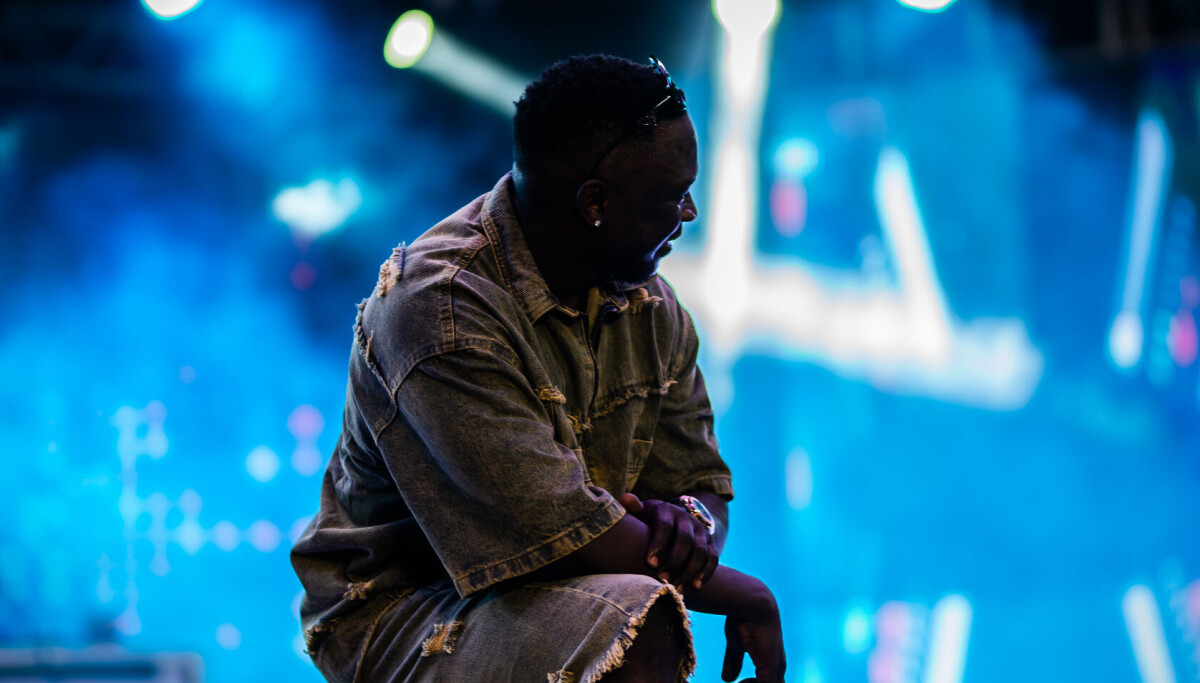
Malawian Afro pop artist Onesimus turned the launch of his new album Son of Grace into more than a listening event. Held in Lilongwe, the gathering brought together artists from across the continent, offering a clear snapshot of how African music is evolving beyond borders.
The project, dedicated to his late mother Grace Kalua, became a platform for collaboration rather than a traditional rollout. Artists from Liberia, Zambia, Lesotho, Zimbabwe, and South Africa joined the event, reflecting a growing network that is reshaping how African music is created and shared.
Beyond borders and traditional hubs
For years, African music exports have largely been associated with dominant cities like Lagos. That dynamic is shifting. Increasingly, artists from regions such as Southern Africa are contributing to a wider continental sound, expanding the reach of genres like Afrobeats and Afro pop.
Streaming platforms and social media have accelerated this transformation. They have reduced the barriers that once limited cross-border collaboration, allowing artists to connect directly with audiences and with each other.
A blend of languages and cultures
Son of Grace stands out for its diversity. The album features collaborations with artists including Marioo, Chile One Mr Zambia, Nutty O, and JZyNO.
Languages such as Chichewa, Chinyanja, isiZulu, isiXhosa, Sesotho, and Nigerian Pidgin appear across the project. Musically, the album moves between Afrobeats, Afropop, and 3-step, reflecting the diversity of influences shaping Africa’s modern sound.
Collaboration without compromise
Performances during the Lilongwe event highlighted how naturally these collaborations are taking shape. Artists embraced their cultural identities while seamlessly blending into a shared musical experience.
Lesotho’s Wave Rhyder performed in traditional attire, while Chile One Mr Zambia delivered songs in Bemba and Nyanja that resonated strongly with Malawian audiences. The response underscored how closely connected cultures across the region already are.
Rather than diluting identity, the collaborations amplified it. Each artist contributed something distinct while still fitting into a broader, unified sound.
A shift driven by artists themselves
What stands out most is that this movement is largely artist-driven. Musicians are not waiting for formal industry structures to catch up. They are building their own networks, creating opportunities, and expanding their reach independently.
This approach is gradually reshaping Africa’s music ecosystem. Instead of relying on a few dominant markets, multiple cities and scenes are emerging as important contributors to the continent’s sound.
A growing role for Southern Africa
The Lilongwe event also highlighted the increasing role of Southern African countries in shaping the Afrobeats conversation. Countries like Malawi, Zambia, Zimbabwe, and Lesotho are no longer peripheral. They are becoming active players, influencing the direction of African music.
This evolution reflects a broader trend where African music is becoming more interconnected, with influences flowing in multiple directions across the continent.
A sound still evolving
The launch of Son of Grace offered a glimpse into a larger transformation. African music is moving faster, reaching wider audiences and embracing more voices than ever before.
As the continent’s creative industries continue to grow, moments like this highlight what is possible when collaboration replaces competition and borders become less relevant.
Africa’s music story is still being written. With young artists driving innovation, building networks, and embracing their identities, the continent is steadily shaping a global sound on its own terms. The future of African music will not come from one city or one genre, but from a connected, confident, and evolving creative landscape.