
|
Getting your Trinity Audio player ready...
|
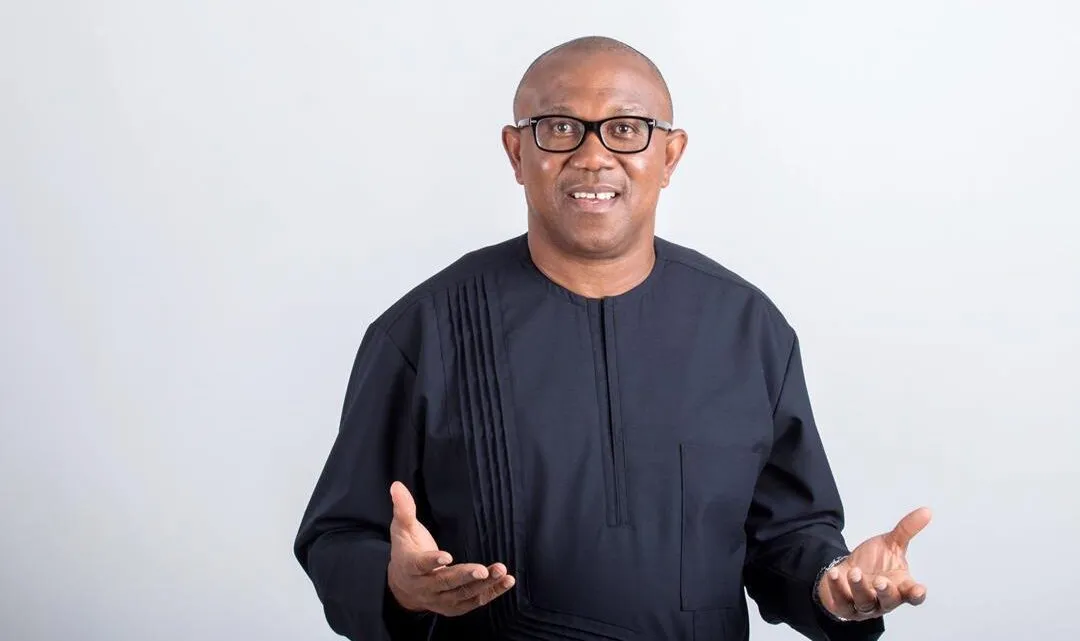
The Nigeria Democratic Congress (NDC) has named Peter Obi as its presidential candidate for the country’s 2027 general election, setting the stage for another high profile contest in Africa’s most populous nation.
Obi, the former governor of Anambra State, was formally nominated during the party’s special convention following the NDC’s official registration earlier this year.
The nomination positions Obi against incumbent President Bola Tinubu of the ruling All Progressives Congress (APC) and former Vice President Atiku Abubakar, who will represent the Africa Democratic Congress (ADC).
Accepting the nomination, Obi focused on Nigeria’s security and governance challenges, arguing that citizens deserve a country where safety and the rule of law are guaranteed.
“No nation can thrive when citizens can no longer sleep with their eyes closed,” Obi said during his acceptance speech.
He also announced Dr. Radu Ogbogoso as his running mate, describing the partnership as part of a broader effort to address the country’s political and economic challenges.
A Familiar Political Contest
The 2027 election is shaping up as a rematch involving some of Nigeria’s most recognizable political figures.
Obi gained national prominence during the 2023 election through the youth driven Obidient Movement, which leveraged social media and grassroots activism to challenge Nigeria’s traditional political structures.
Although he secured significant support and won approximately 25 percent of the vote, he ultimately finished behind Atiku Abubakar and President Tinubu.
His supporters believe changing political and economic conditions could improve his prospects in 2027.
Economic Pressures Shape Political Debate
Nigeria continues to face significant economic and social challenges, including rising living costs, inflationary pressures, electricity shortages and persistent security concerns.
These issues have become central themes in political discussions ahead of the election.
Analysts remain divided on how these conditions could influence the outcome. Some believe public dissatisfaction may create opportunities for opposition candidates, while others argue that a divided opposition could strengthen the ruling party’s chances of retaining power.
Road to 2027
Nigeria’s next general election is scheduled for January 16, 2027, giving political parties more than a year to build support, finalize campaign strategies and engage voters across the country.
The coming months are expected to feature intense debates over economic management, security, infrastructure development and youth employment as candidates seek to convince voters they offer the strongest vision for Nigeria’s future.
Africa’s Next Democratic Test
Nigeria’s 2027 election will be closely watched across Africa and beyond because of the country’s economic influence, population size and strategic importance on the continent. While political competition remains intense, democratic participation continues to provide citizens with an opportunity to shape the country’s direction. As Africa’s largest democracy prepares for another electoral cycle, many Nigerians, particularly young voters, will be looking for leadership that can translate ambition into measurable progress. The continent’s future continues to be shaped by engaged citizens, evolving institutions and the belief that stronger governance can help unlock Africa’s vast potential.