
Ethiopia Heads to Polls as Abiy Ahmed’s Prosperity Party Eyes Another Landslide Victory

|
Getting your Trinity Audio player ready...
|
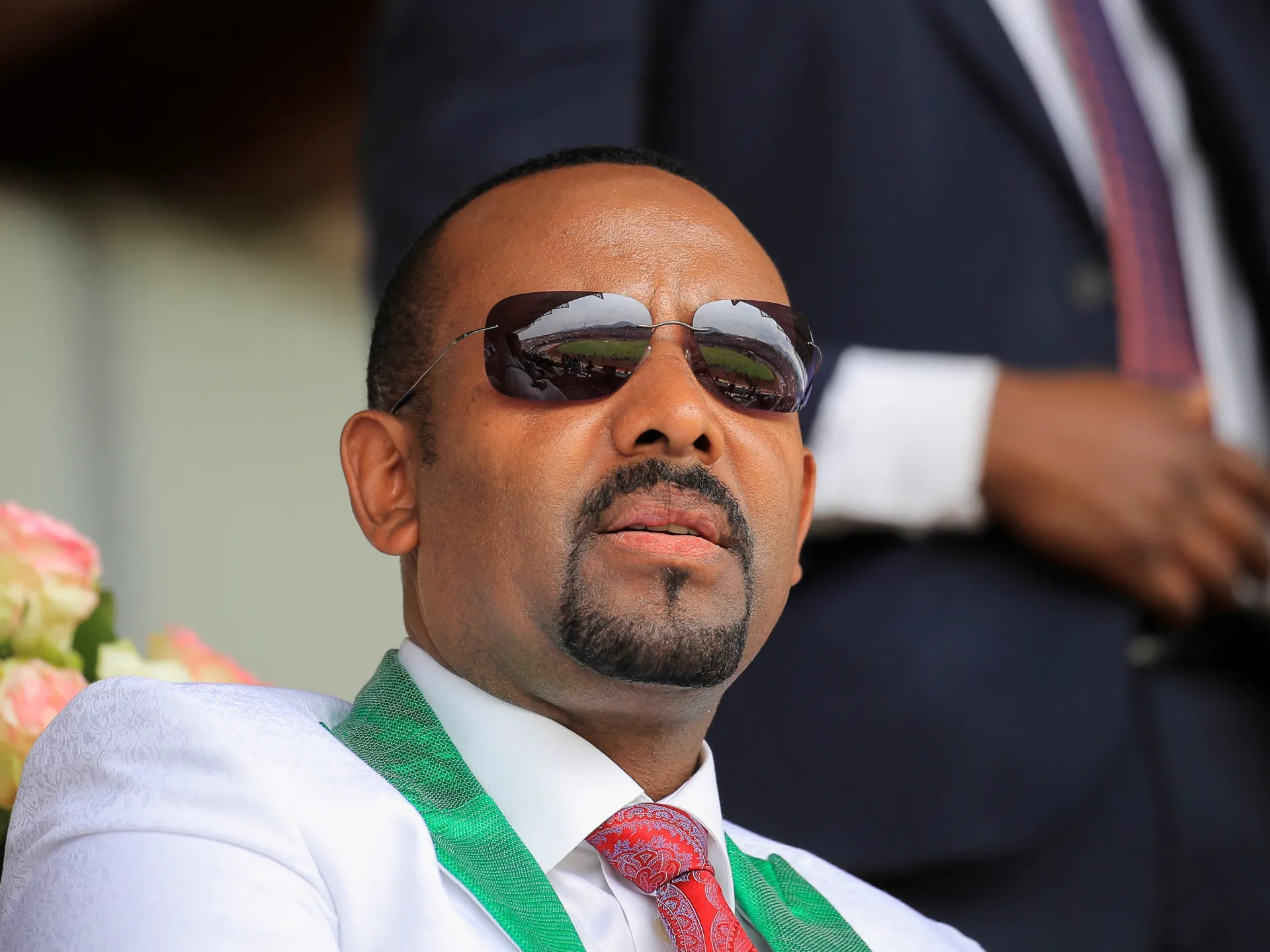
Ethiopians are preparing to vote in parliamentary and regional elections on Monday, with Prime Minister Abiy Ahmed’s ruling Prosperity Party widely expected to secure another decisive victory.
The party currently dominates Ethiopia’s House of Representatives, holding more than 500 seats, and analysts expect it to maintain its strong position despite criticism from opposition groups.
Final campaign events were held across the country over the weekend as political parties made their final appeals to voters. Supporters of the ruling party argued that Abiy’s leadership has provided stability during a period marked by political and security challenges.
“ Our prime minister is a leader who can lead the world,” said Prosperity Party supporter Aynalem Bekele, praising Abiy’s international profile and leadership.
Opposition Raises Concerns
Opposition parties have questioned whether the political playing field has been fully balanced, arguing that the ruling party enjoys significant advantages.
Eyoel Solomon, spokesperson for the opposition Ethiopian Citizens for Social Justice (EZEMA) party, criticized the country’s ethnic based political divisions, saying they have contributed to instability and social tensions in recent years.
He pointed to incidents of violence and displacement that have affected communities across parts of the country.
Security Challenges Remain
Abiy has remained Ethiopia’s dominant political figure since taking office in 2018, but his administration has faced major challenges, including the devastating Tigray conflict between 2020 and 2022.
The war resulted in hundreds of thousands of deaths and left lasting political and humanitarian consequences.
Security concerns continue to affect parts of the country. Elections will not be held in Tigray because of what election authorities described as unfavorable conditions. Voting will also be suspended in several constituencies in the Amhara region due to ongoing insecurity.
Millions Expected to Vote
Around 50 million Ethiopians are eligible to participate in the elections.
Under Ethiopia’s political system, voters elect members of parliament, who then choose the prime minister. The government has declared election day a national holiday to encourage participation.
Although campaigning has been quieter than in previous election cycles, the vote has remained a major topic of discussion across Addis Ababa and other parts of the country.
Political analyst Bayu Samuel said technological improvements and increased public awareness could help strengthen confidence in the electoral process.
A Defining Moment for Ethiopia
The election comes at an important time for Ethiopia as the country seeks to balance economic development, political stability and national unity while addressing lingering security concerns.
Regardless of the outcome, many Ethiopians will be looking for leadership capable of expanding opportunity, reducing conflict and strengthening democratic institutions. As one of Africa’s most influential nations, Ethiopia’s future will continue to play a significant role in shaping the trajectory of the wider region. While challenges remain, the country’s young population, growing economy and evolving political landscape highlight that Ethiopia’s story, like much of Africa’s, is still being written.