
Kenya’s Second-Hand Football Jersey Markets Score Big Ahead of World Cup 2026

|
Getting your Trinity Audio player ready...
|
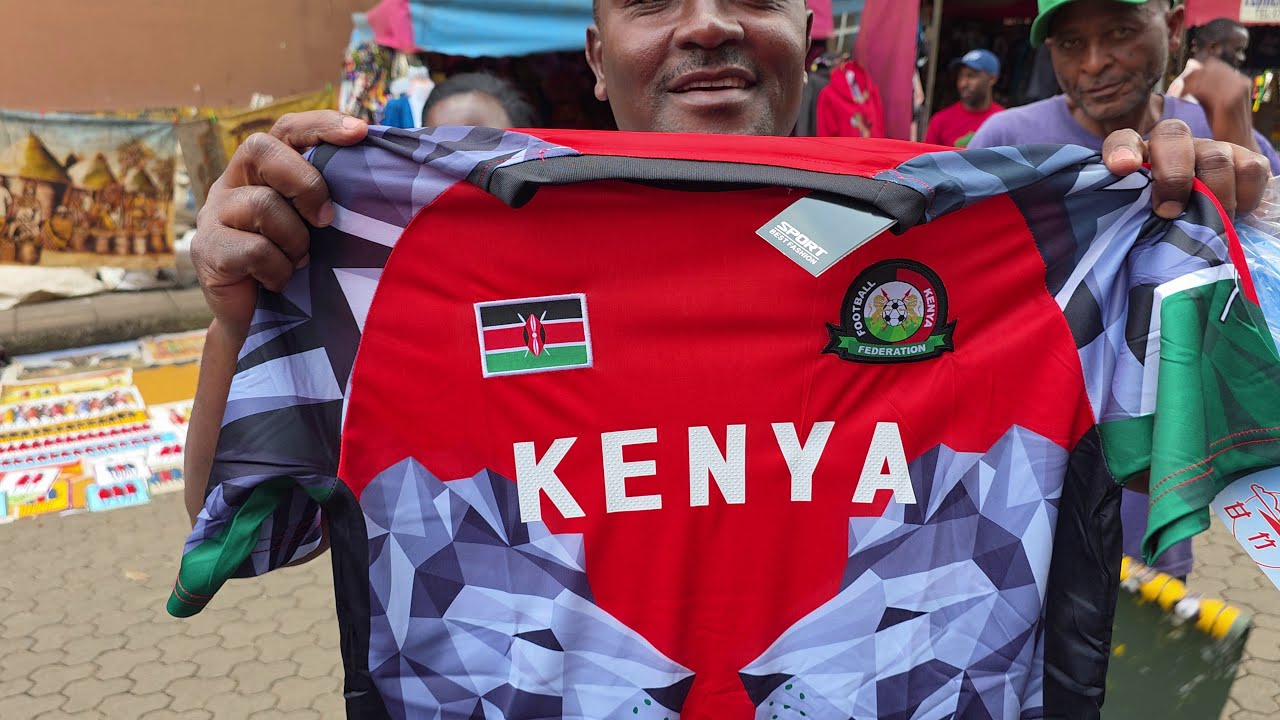
As the countdown to the 2026 FIFA World Cup intensifies, the vibrant markets of Kibera in Nairobi have become a magnet for football enthusiasts searching for hidden treasures. Among the countless items sold in the bustling informal settlement, second-hand football jerseys stand out as some of the most sought-after products.
For collectors, each shirt represents more than a piece of clothing—it is a connection to a team, a player, a match, or a cherished football memory.
A Collector’s Hunt for Hidden Gems
Italian football enthusiast Antonio Massari has made Kibera one of his favorite destinations. While volunteering as an English teacher at a local school, he spends much of his free time exploring market stalls in search of rare jerseys.
With the help of his students, Massari carefully examines fabrics, stitching, labels, and prints to identify authentic shirts from replicas. His passion has helped him build a collection of more than 800 jerseys, ranging from vintage classics to rare match-worn pieces.
According to Massari, the excitement lies in never knowing what valuable item may be hidden among piles of second-hand clothing.
The Global Journey of a Football Shirt
Kenya imports approximately 180,000 tonnes of used clothing annually, creating one of Africa’s largest second-hand apparel markets. Locally known as mitumba, the trade has become an important economic lifeline for millions of people.
Within these imports, football jerseys from clubs and national teams around the world occasionally emerge, creating opportunities for collectors and traders alike. Some shirts purchased for just a few dollars can later be resold internationally for significantly higher prices.
The Business Behind the Passion
Market trader Emmanuel Onyango has built part of his business around football apparel. He says many customers prefer second-hand jerseys because they often offer superior quality and original branding compared to newly manufactured alternatives.
As demand grows ahead of major football tournaments, authentic jerseys can command premium prices among both local buyers and international collectors.
The combination of affordability, authenticity, and rarity continues to drive interest in Kenya’s thriving football memorabilia market.
Mitumba’s Role in Kenya’s Economy
Beyond football culture, the second-hand clothing industry plays a major role in Kenya’s economy. Industry estimates suggest that the sector supports roughly two million livelihoods across the country.
Experts note that experienced traders have developed a keen eye for identifying valuable brands and rare items, allowing some products to find a second life in international resale markets.
The possibility of establishing local sorting and export hubs could further increase the economic value generated by the trade.
More Than Jerseys, More Than Profit
For collectors like Antonio Massari, football shirts represent stories, memories, and emotional connections that transcend sport.
Every jersey carries a unique journey—from stadiums and supporters to market stalls in Nairobi. As fans around the world prepare for another World Cup, Kibera’s markets continue to demonstrate how football culture can unite communities, create livelihoods, and preserve sporting history one shirt at a time.
The Final Whistle on a Growing Market
As World Cup fever sweeps across the globe, Kibera’s football jersey trade highlights the remarkable intersection of sport, entrepreneurship, and culture. What may appear to be a simple second-hand shirt often carries a rich story, making Kenya’s markets an unexpected but important destination in the global football ecosystem.