

|
Getting your Trinity Audio player ready...
|
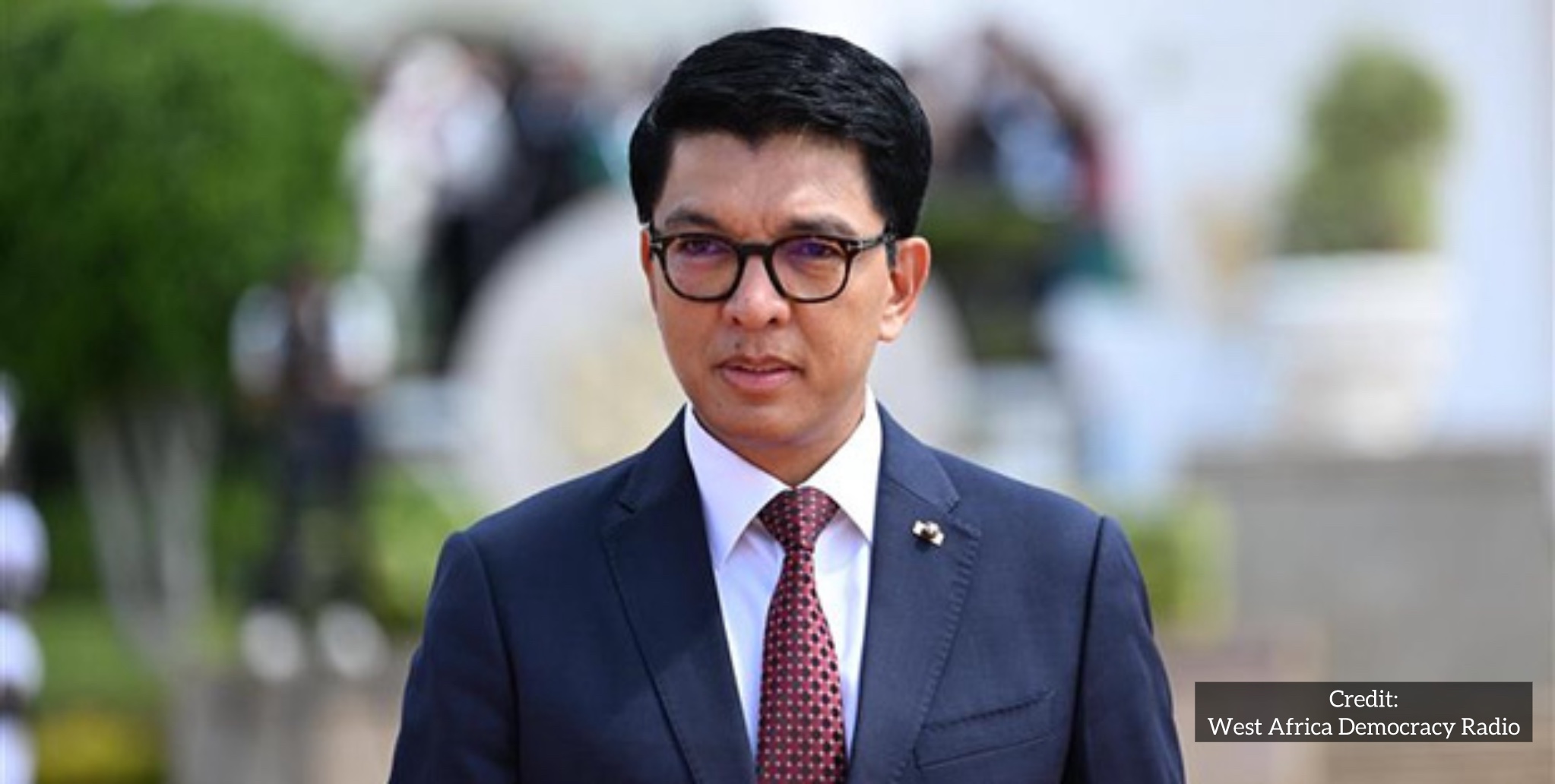
Madagascar has entered a new phase of political turmoil after President Andry Rajoelina announced the dissolution of the National Assembly on Tuesday, heightening tensions with youth-led demonstrators and sections of the military.
The decision, revealed through a presidential decree shared on Facebook, stated that Rajoelina had consulted with both the leaders of the National Assembly and the Senate before taking action. However, questions remain over the legality and constitutional validity of the move, as the decree’s legal standing has not yet been confirmed by the relevant authorities.
The announcement came a day after Rajoelina delivered a defiant address to the nation from an undisclosed location, where he rejected mounting calls for his resignation. The president, who has been under intense pressure from a wave of youth-led demonstrations, vowed to remain in power despite a growing national movement calling for political reform and accountability.
The protests, largely driven by Generation Z activists, have gained momentum over recent weeks, attracting support from civil society groups, opposition figures, and sections of the armed forces. Demonstrators accuse Rajoelina’s administration of corruption, mismanagement, and failing to address the economic struggles facing ordinary citizens.
Tensions further escalated when elements of the military reportedly sided with the protesters, prompting fears of a potential coup. The deteriorating situation forced Rajoelina to temporarily flee the country amid uncertainty over who controls the capital, Antananarivo.
Political analysts say the dissolution of parliament may be a strategic attempt by the president to regain control and weaken opposition forces. However, critics argue that the move risks deepening Madagascar’s instability and could push the nation toward a full-blown constitutional crisis.
International observers, including the African Union and the United Nations, are closely monitoring the unfolding situation. Both organizations have urged dialogue, restraint, and adherence to democratic principles to prevent further unrest.
Madagascar, which has experienced multiple coups and political upheavals over the past two decades, now faces a critical test of governance and unity. With protesters showing no sign of backing down and the military’s loyalty uncertain, the coming days will likely determine the nation’s political future and Rajoelina’s hold on power.